Professional Referrals for Addiction & Mental Health Treatment Abroad
The Beekeeper House is an award-winning residential mental health and addiction treatment centre in Thailand, welcoming clients referred from around the world.
Who This Page Is For
If you are a healthcare professional considering a referral to treatment abroad, this page sets out why clients travel to us, what to expect from our assessment process, our approach to treatment, and how to get in touch.
This page is for professionals considering a referral to The Beekeeper House, including general practitioners, psychiatrists, psychotherapists, patient navigators, and peer recovery specialists supporting a client with addiction, a co-occurring mental health condition, or both.
Our clinical team works with referring professionals throughout the process, from initial enquiry through to admission and, where appropriate, ongoing communication about a client’s care.

Why Refer a Client to Treatment Abroad
For some clients, particularly those who have tried treatment closer to home without lasting change, or whose recovery is complicated by their immediate environment, treatment abroad can offer a genuinely different starting point. Moving away from the routines, relationships, and triggers connected to their condition, even temporarily, can help a client engage more fully with treatment.
At The Beekeeper House, that distance is paired with accredited, internationally delivered care, so referring abroad does not mean a trade-off in clinical standard. Our team works in English, holds international training and qualifications, and is experienced in supporting clients from the United Kingdom, Australia, and the United States specifically, including the practical side of travelling for treatment.
How to Refer a Client
You can start a referral by phone or by email.
- By telephone
- Call our team directly to discuss a potential referral. +66 90 893 5296
- By email
- Email [email protected] with details of your enquiry.
What to Expect From Our Assessment Process
Every client receives a comprehensive medical and psychological evaluation to establish whether detoxification is needed, what level of medical support that requires, and the clinical approach that is right for them. This assessment shapes the entire treatment plan and ensures your client receives appropriate care from day one.
- Stage one
Initial Consultation
A free, confidential conversation by phone or video to understand your client's background, history, and current needs. This is when we discuss treatment options and answer any questions about the process.
- Stage two
Clinical Assessment
A thorough medical and psychological assessment to determine whether detox is needed and what level of medical intervention is required. Straightforward detox is managed on site under 24-hour supervision.
- Stage three
Treatment Planning
Complex cases requiring higher medical intervention are referred to our partner hospital, Bangkok Hospital Chiang Mai, before stepping down into our residential programme. Each client's plan is individualised to their clinical needs.


Our Approach to Treatment
Our therapeutic approach is eclectic, drawing on psychodynamic psychotherapy, dialectical behaviour therapy (DBT), acceptance and commitment therapy (ACT), cognitive behavioural therapy (CBT), somatic work, and Eastern mindfulness traditions, so a client’s plan reflects what is clinically appropriate for them rather than a single fixed model.
Across every approach, our team works from the same underlying pillars: empathy, compassion, inclusive and affirming care, and building a client’s own sense of self-efficacy in their recovery.

Programme Length
Our residential programme has a minimum stay of 35 days, including medical detox where it is needed. Many clients benefit from a longer stay, and we often recommend around 90 days where clinically appropriate; longer stays are broadly associated with more durable recovery outcomes in the wider literature, though the right length for any individual client depends on their specific needs and is agreed following assessment.

Our Three Programmes
- Stage one
Detox programme
Medically supervised detoxification, tailored to the client, delivered by our licensed detox facility.
- Stage two
Residential programme
Full-time, immersive treatment at our centre in the mountains of Mae Rim, Chiang Mai, combining individual and group therapy, holistic wellness, and structured time to rest and recover.
- Stage three
Aftercare programme
Ongoing, structured support after discharge, connecting clients to recovery pathways both internationally and, where helpful, within Chiang Mai.


Why Refer to The Beekeeper House
The Beekeeper House is a medically licensed, AACI Gold accredited residential centre in Chiang Mai, part of the award-winning Beekeeper Group. Our medical director is licensed by the Thai Ministry of Public Health, and our clinical team includes internationally trained and accredited psychiatrists and therapists.
-
Accredited and Medically Licensed
We are licensed by the Thai Ministry of Public Health and accredited to AACI Gold standard, an international mark of quality and safety in healthcare. Recent recognition includes the Healthcare Asia Awards 2025 and the GHP Mental Health Awards 2026.
-
An Internationally Trained, English-Speaking Team
Our clinical team is internationally trained, with psychologists from the United States, Australia and New Zealand, and the United Kingdom, and all treatment is delivered in English. This means your client receives care from professionals trained to international standards, wherever they are travelling from.

Where the work happens
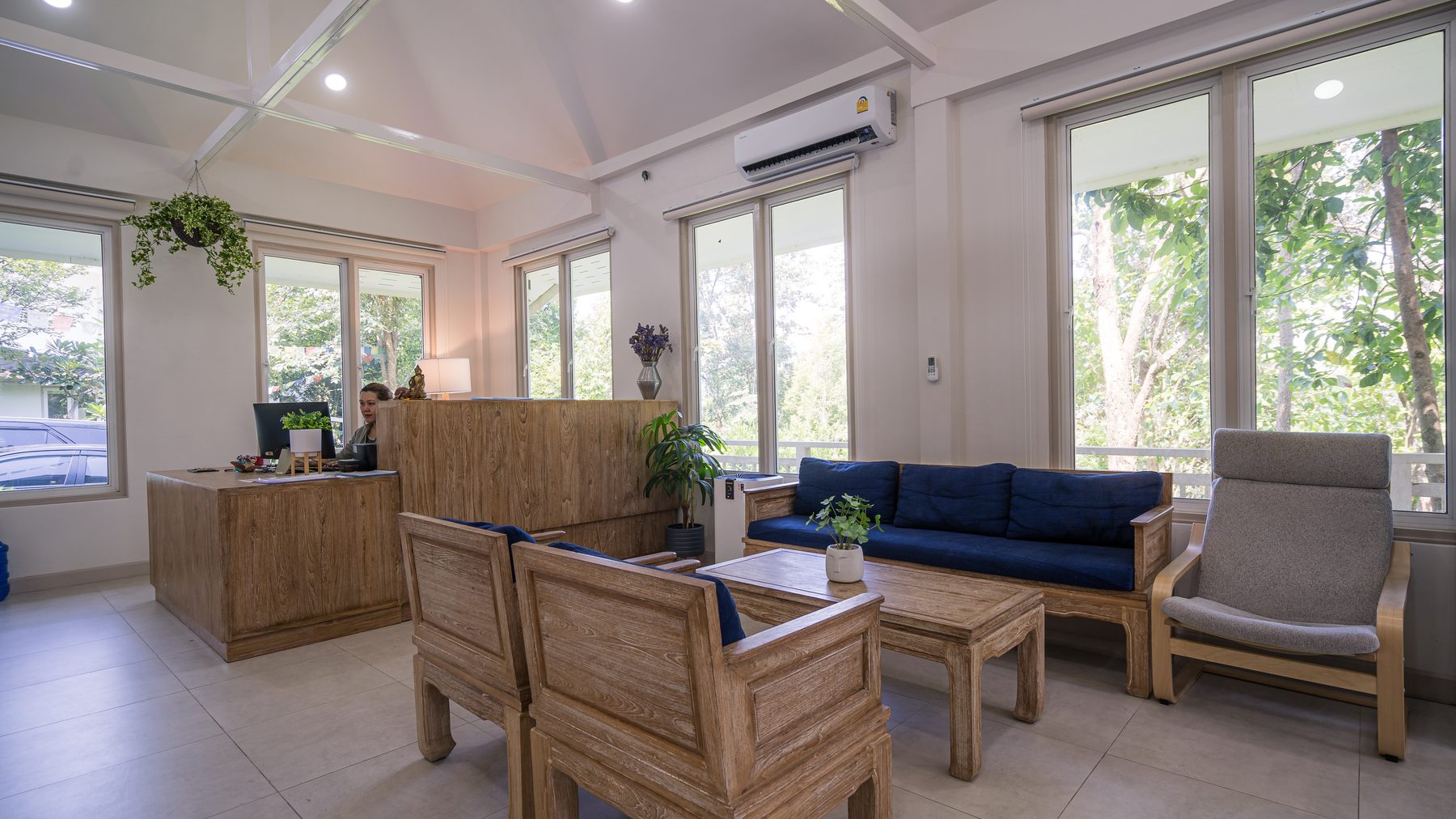
All of this is done in the comfort of our luxury resort-style facility, so you can enjoy your recreation time as well. This includes the gym, pool, botanical gardens, community garden, recreation centre and yoga and meditation centre.
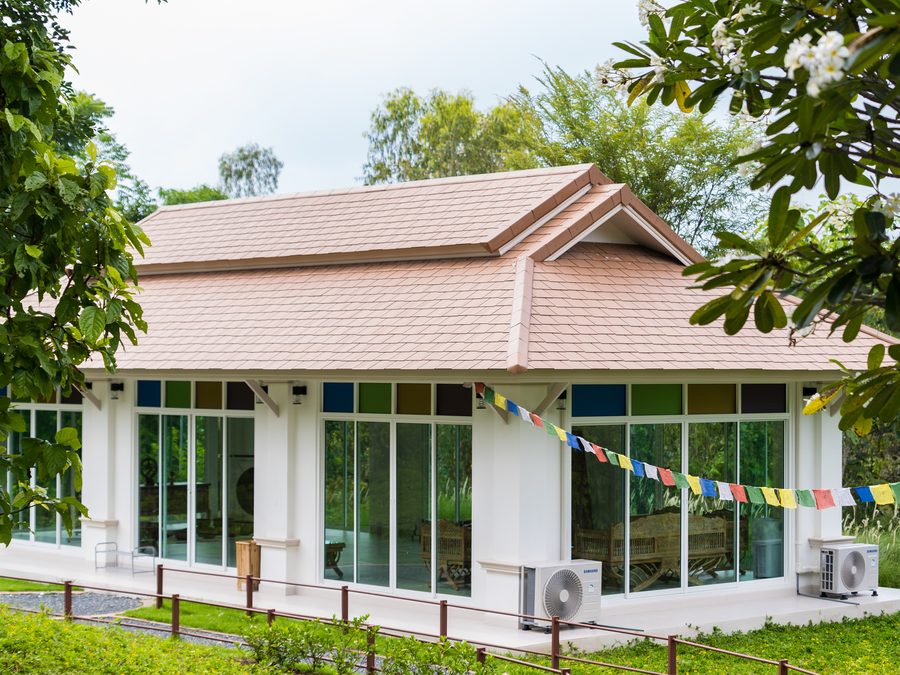
The yoga and meditation sala 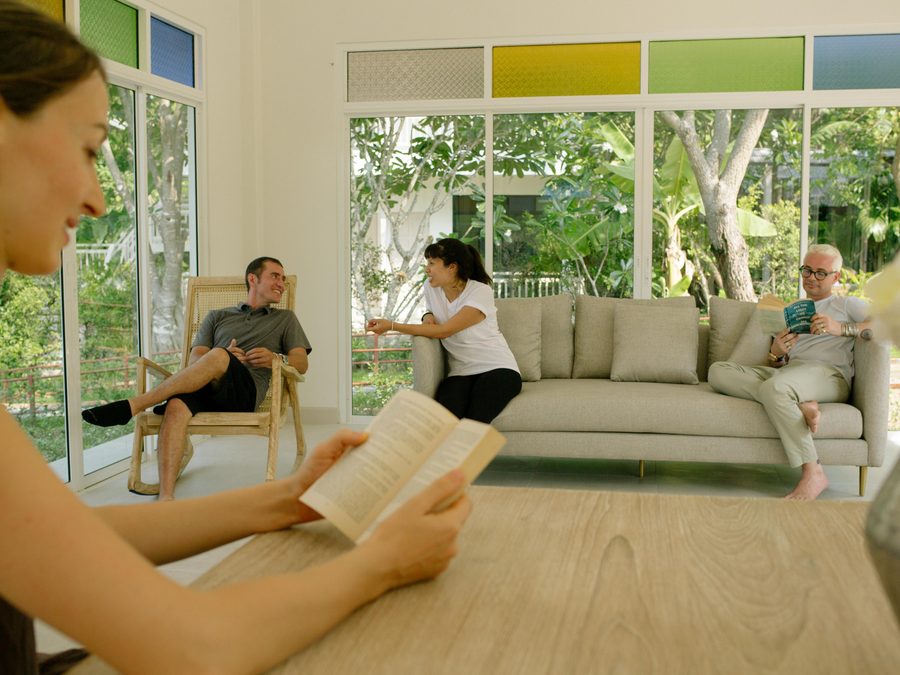
The recreation centre 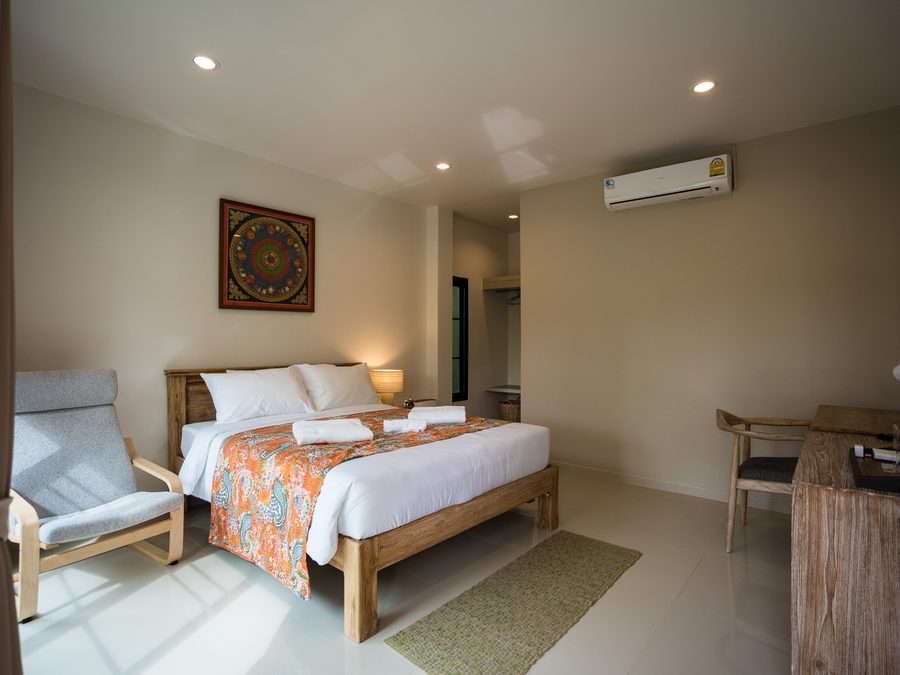
Private bedrooms 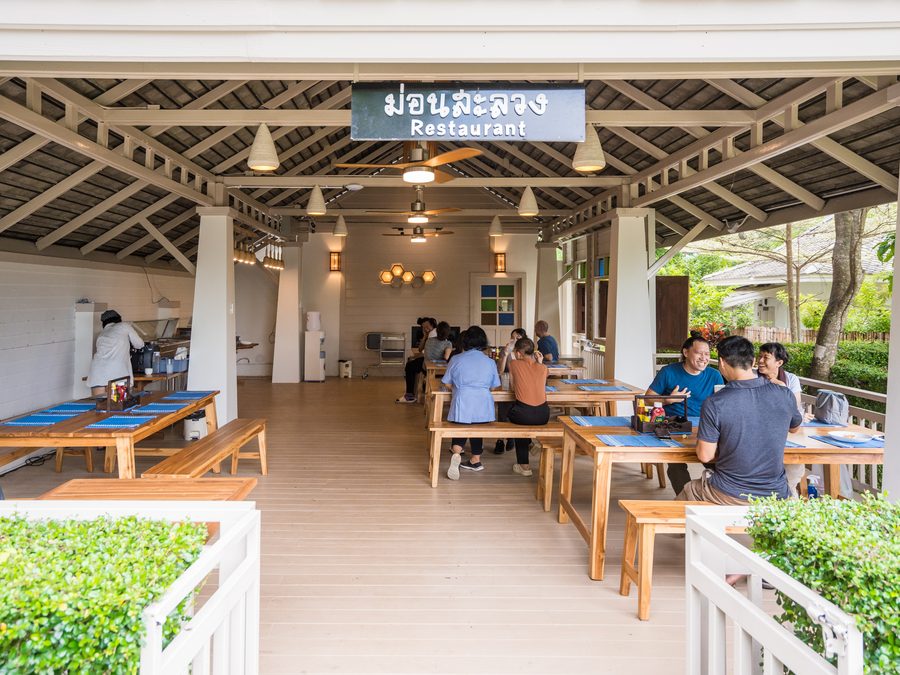
Meals by our award-winning chef 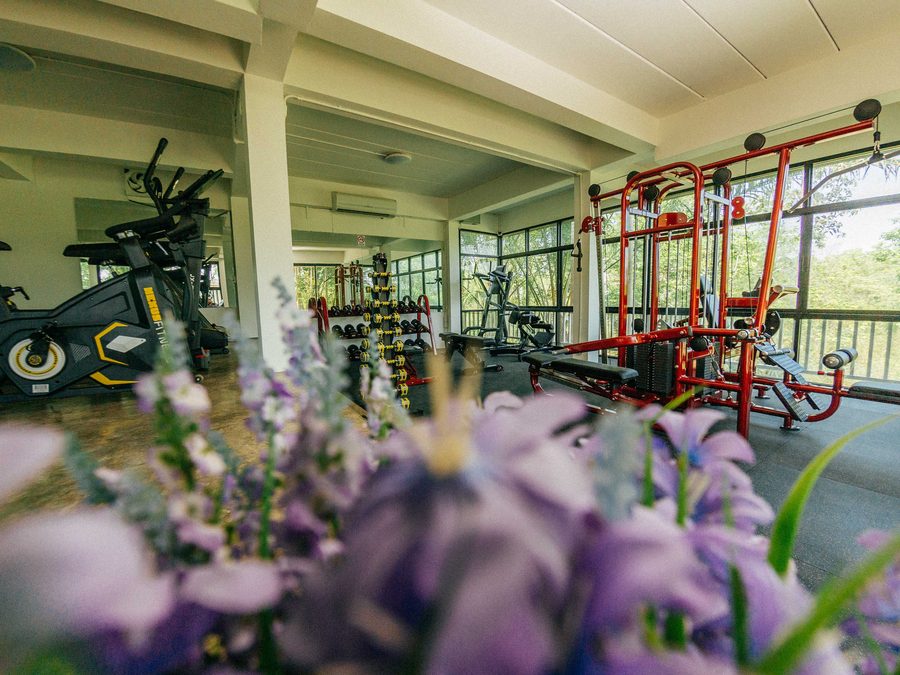
The gym 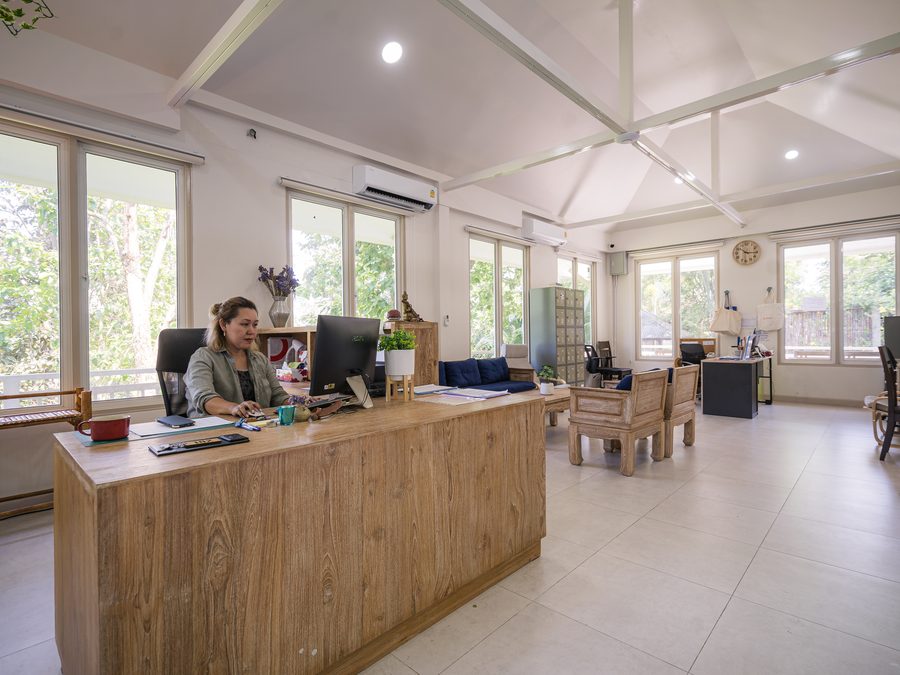
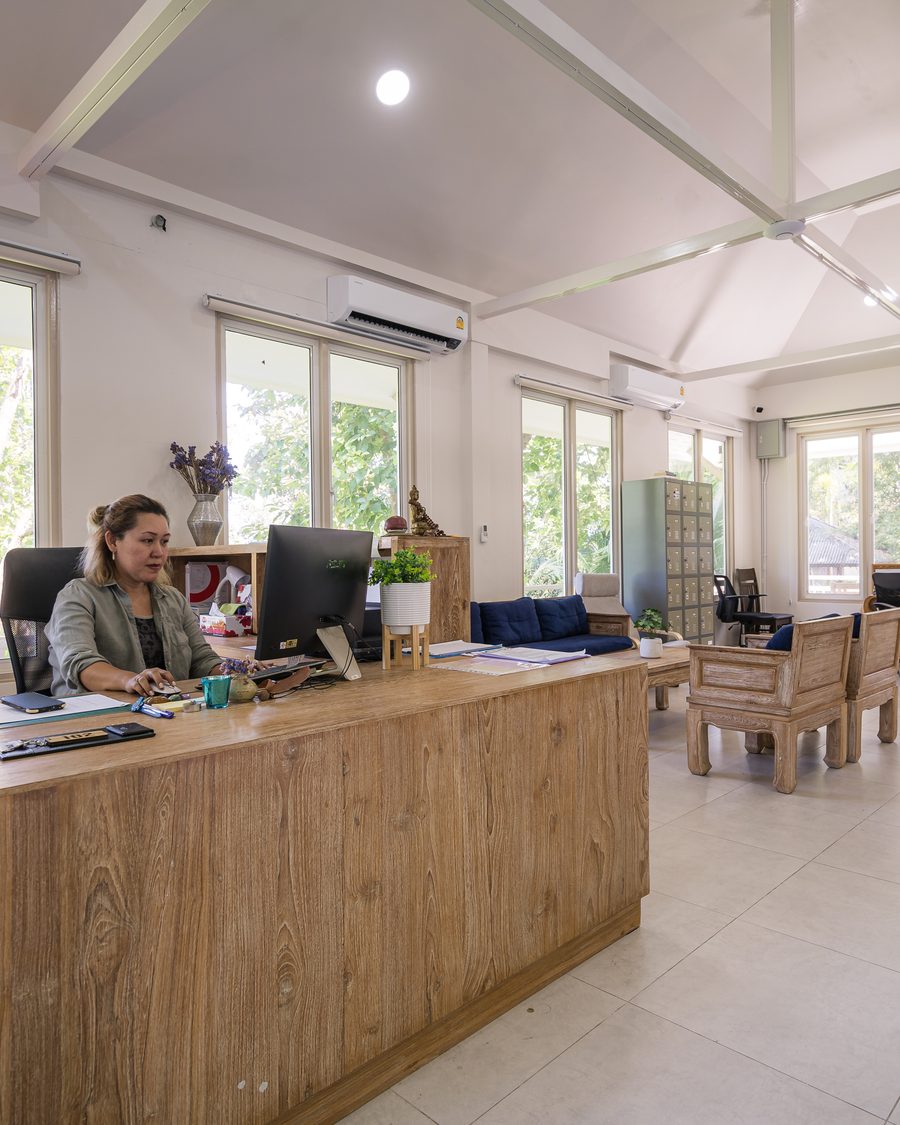
Reception, on arrival 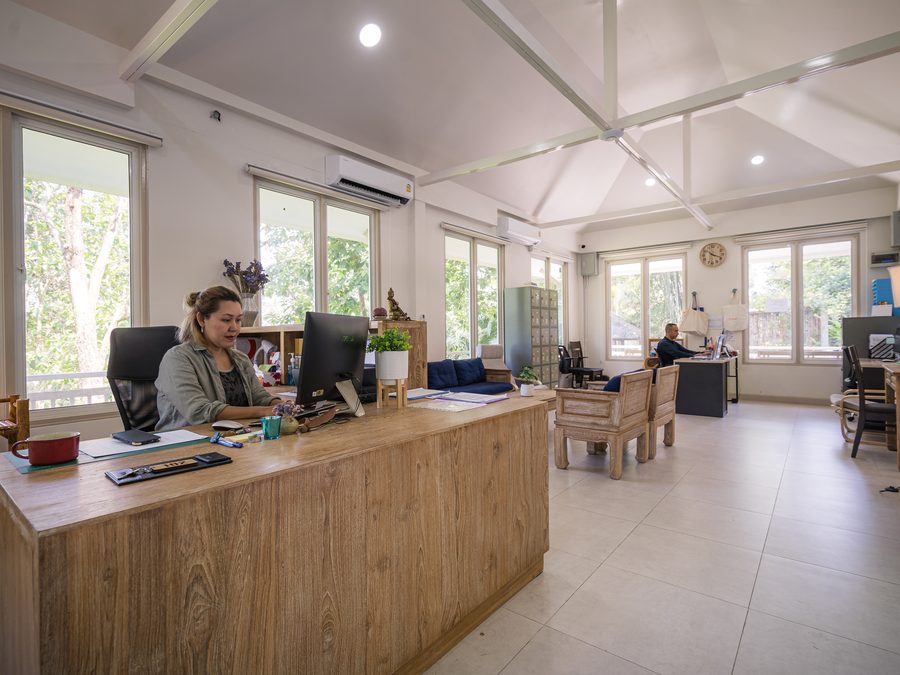
Reception, on arrival
01 / 07
Rehab in Thailand for International Clients
Many of the clients you refer to us will be travelling from overseas, and we have built dedicated support around that journey. Choosing treatment in Thailand gives your client helpful distance from the environment linked to their symptoms, alongside accredited, international-standard care.
Our admissions team guides your client through every step, from the initial consultation and clinical assessment, which take place by phone or video before travel, through to travel, arrival, and settling in. Australian clients may also be able to access their superannuation early to fund treatment on medical grounds.
Our Clinical and Leadership Team
Your client will be cared for by an experienced, multidisciplinary team that blends local and international expertise. A few of the people behind our care:
Dr Robert Common
Chief Executive Officer
A Doctor of Psychology with over 20 years of experience leading mental health and wellness organisations across the region, and an award-winning voice in behavioural health.
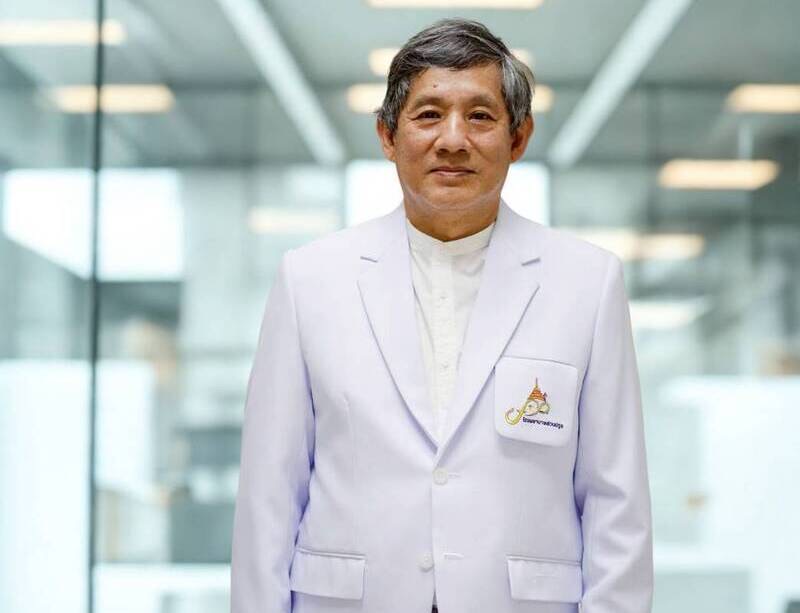
Dr Paritat Silpakit
Medical Director
A senior Thai psychiatrist with decades of experience in substance use disorders, trauma, mood and anxiety disorders, and clinical leadership, overseeing medical care and detox.
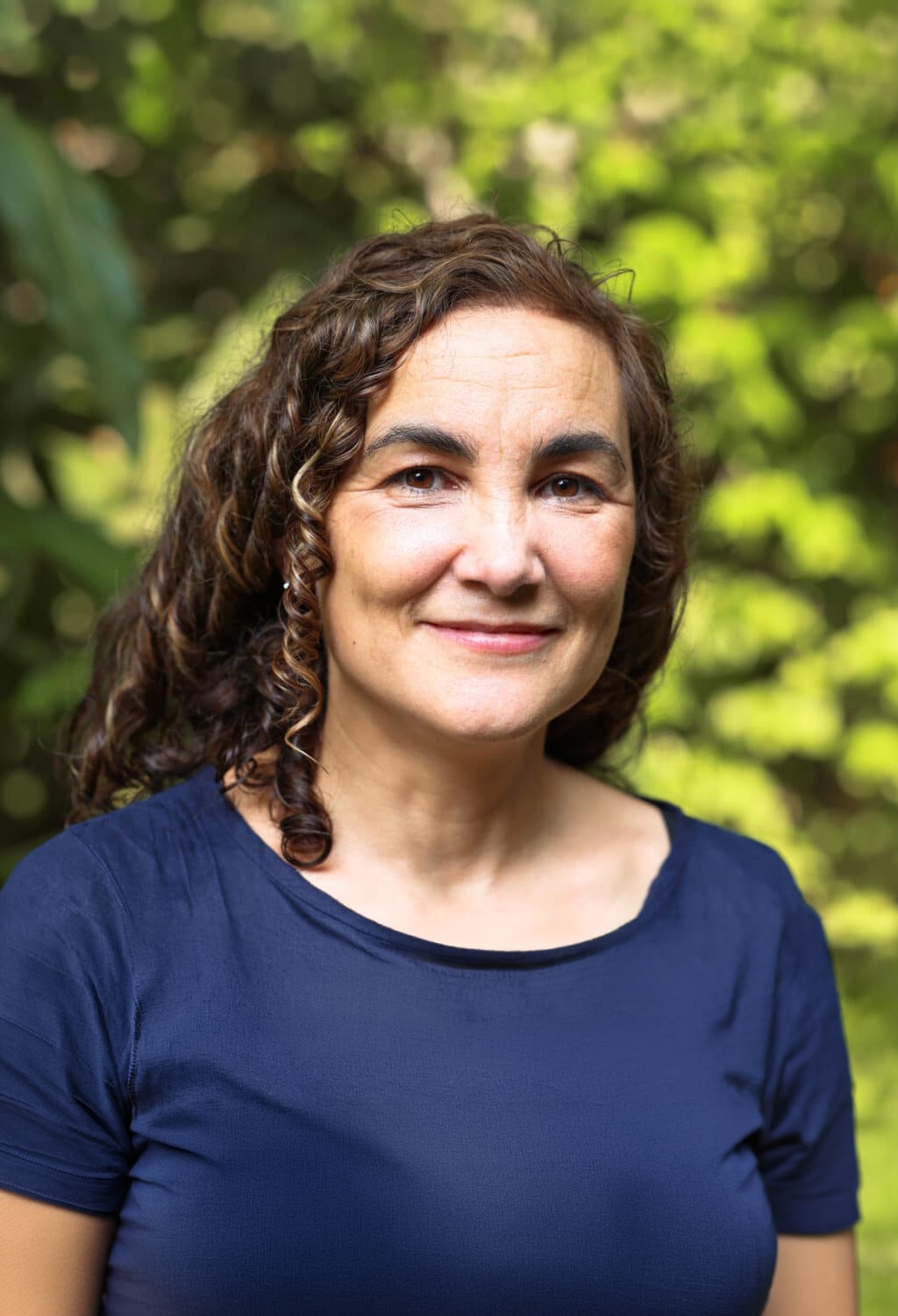
Dr Carin Killips
Counselling Psychologist, Programme Development and Quality
UK-trained with over 20 years of experience in mental health and addiction, including a decade in the NHS, with expertise in CBT, EMDR, Schema Therapy, and Compassion-Focused Therapy.
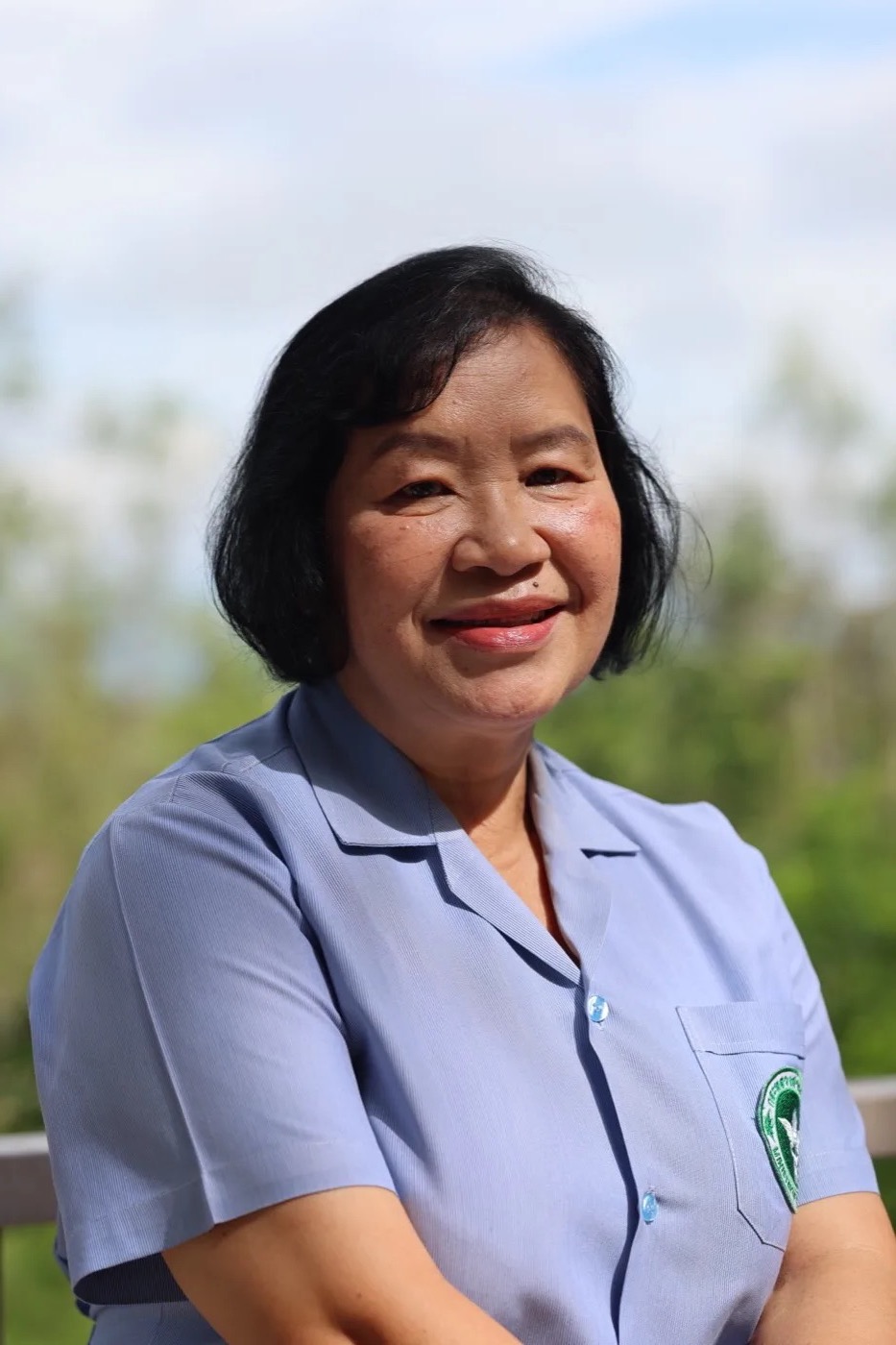
Nurse Orn
Head of Nursing
Leads our nursing team, which provides onsite medical care 24 hours a day throughout a client’s stay.
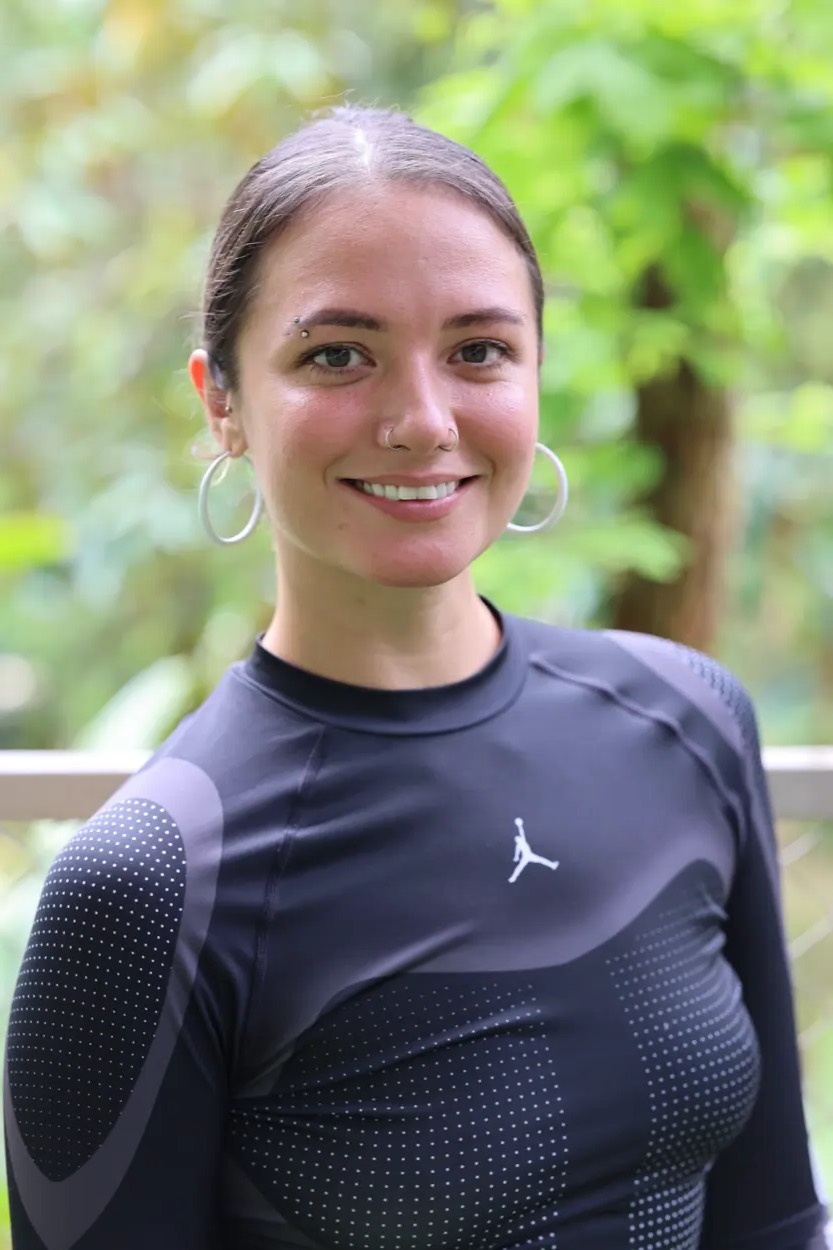
Beth
Holistic Practitioner
A holistic practitioner trained in yoga, therapeutic sound healing, and sound bowl massage, who draws on professional training and lived experience in recovery to support clients’ wellbeing.

Tum
Head of Support
Leads our support team with a kind and compassionate approach, known for his calm, caring manner and his genuine interest in every client’s wellbeing.



We treat every client as a whole person, addressing mind, body, and spirit together rather than treating a single diagnosis in isolation.
Our admissions team is available to talk through a potential referral, answer clinical questions, and support you and your client through every step of the process.
Refer a Client Today
If you are considering treatment for yourself or for a loved one rather than referring a client, these pages may be more relevant.
Treatment For A Client
We accept referrals from GP’s, psychiatrists, psychologists, counsellors, case managers, and other health professionals. To refer your clients or patients, please get in touch by sending us an email, giving us a call or filling out our online contact form.
Treatment For Yourself
When you come to The Beekeeper House, you are not just getting treatment for your addiction or mental health issue – you are also embarking on a journey of self-discovery and personal growth.
Treatment For A Loved One
The Beekeeper House directs its efforts towards the treatment of comprehensive care and the co-existence of addiction and mental health issues. They will provide your loved ones opportunities to heal and grow.