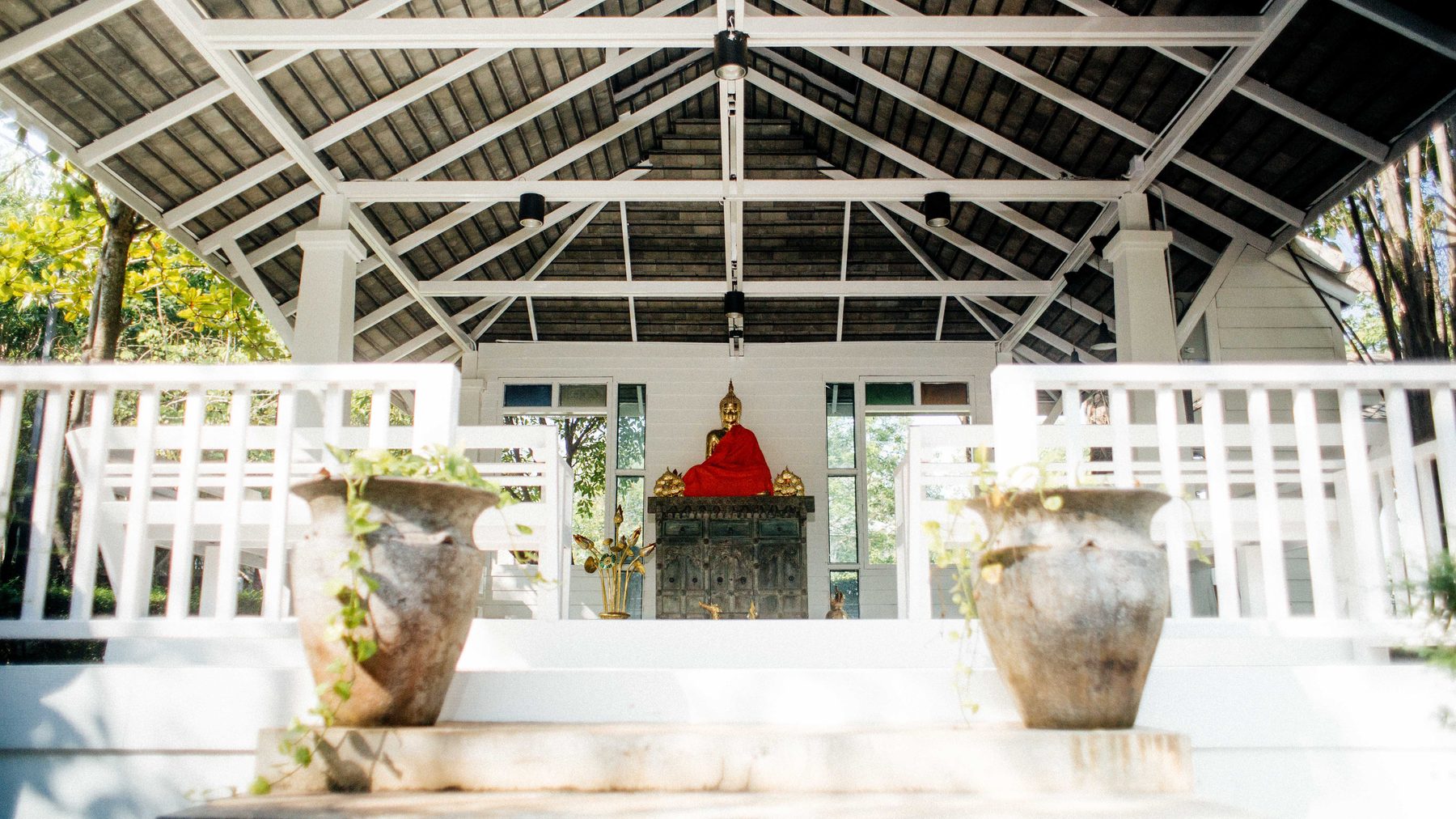
Trauma and PTSD Treatment Centre
The Beekeeper House is an AACI Gold accredited, Thai Ministry of Public Health licensed residential mental health treatment centre in Mae Rim, Chiang Mai, providing safe, ethical, evidence-based psychological interventions grounded in trauma-informed care.
Residential Trauma and PTSD Treatment at The Beekeeper House
Rest, recovery and rediscovery guide every treatment plan we build.
Whether you are living with the effects of a single traumatic event or Post-Traumatic Stress Disorder (PTSD), our clinical team can help you understand what is happening and build a structured path towards recovery.
Our clinical team includes registered psychologists licensed in their respective countries.
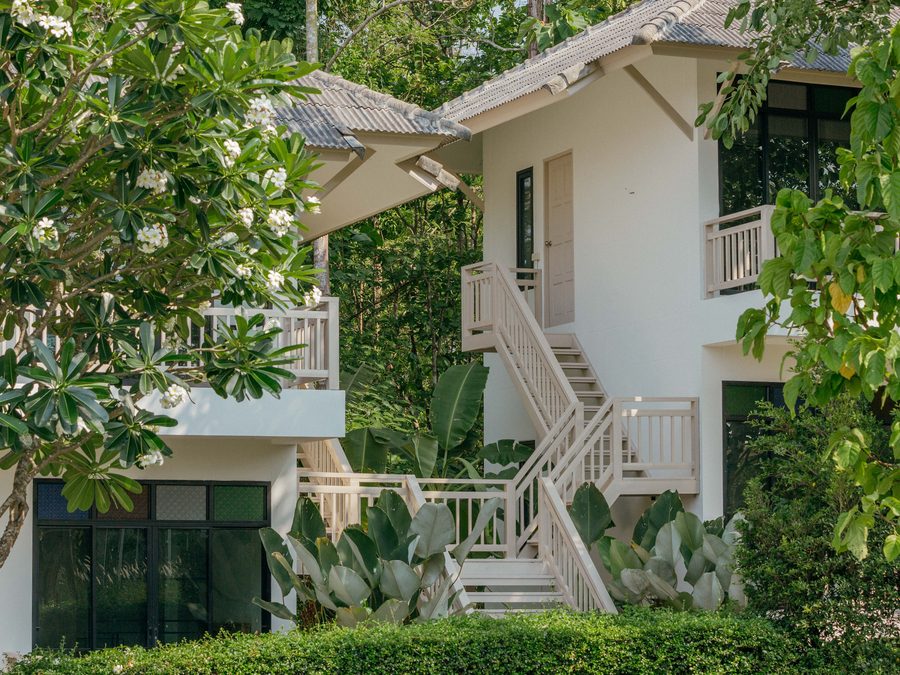

Understanding Trauma and PTSD
Trauma refers to the emotional and psychological response to a distressing or disturbing event. Not everyone who experiences trauma will go on to develop PTSD, but for some people, symptoms persist and intensify, requiring professional treatment.

Recognising itSigns and Symptoms of Trauma
In the period immediately following a traumatic event, common responses include:
Signs and Symptoms of PTSD
Where symptoms persist and intensify, they may indicate PTSD. These can include:
- Flashbacks to the traumatic event
- Intrusive memories of the event
- Hyperarousal, such as being easily startled or feeling constantly tense
- Sleep difficulties
- Irritability and mood swings
- Aggressive outbursts
- Negative trauma-related thoughts, such as shame, guilt or fear
- Social and situational avoidance
- Difficulty experiencing positive emotions
- Concentration difficulties
Diagnosis and Timing
PTSD typically develops, and is diagnosed, within three months of a traumatic event, and requires symptoms to have lasted one month or longer. Where symptoms last under four weeks, this is classed as Acute Stress Disorder rather than PTSD.
Some people with PTSD also experience other conditions, including depression, anxiety, or substance use disorders.
Why Residential Treatment Can Help
A structured residential setting removes clients from everyday triggers and pressures, allowing space to process trauma safely with 24-hour clinical support. Treatment is delivered over a minimum 35-day residential stay, and may include:
Our care is delivered in line with our licensing by the Thai Ministry of Public Health and our AACI Gold accreditation.
Rehab in Thailand for International Clients
Most of the people we treat travel to us from overseas, and we have built dedicated support around that journey. Choosing to travel for treatment puts helpful distance between you and the environment linked to your trauma, and gives you access to accredited, international-standard care.
Our admissions team guides you through every step, from the initial consultation and clinical assessment, which take place by phone or video before you travel, through to travel, arrival, and settling in. Australian clients may also be able to access their superannuation early to fund treatment on medical grounds. To learn more about treatment from your part of the world, see the pages below for clients from the United Kingdom, Australia, and the United States.
Our Clinical and Leadership Team
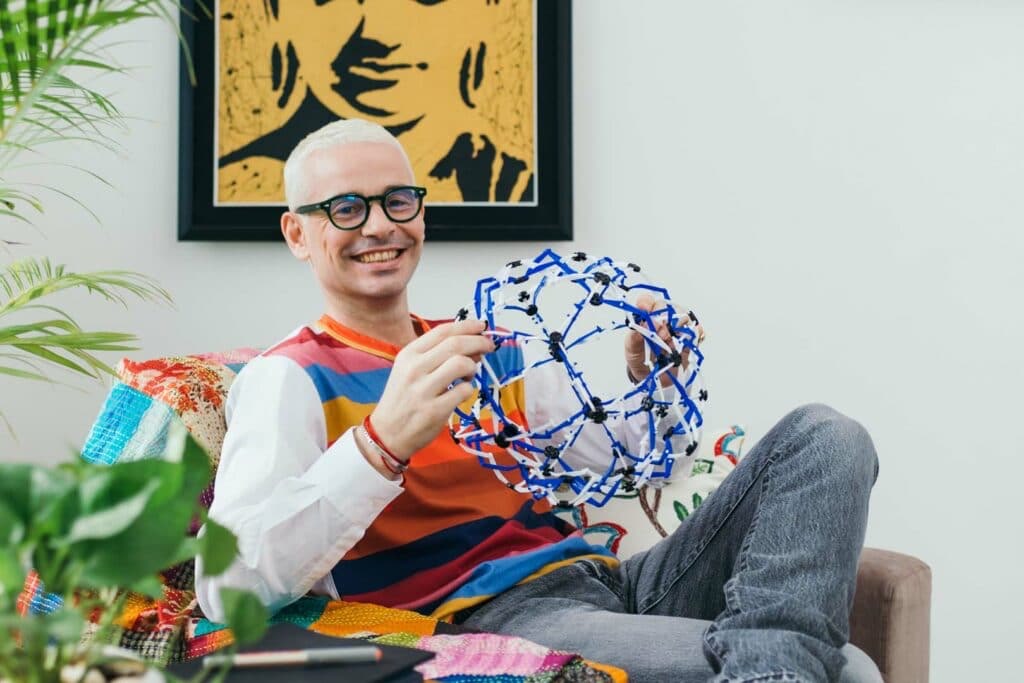
Dr Robert Common
Chief Executive Officer
A Doctor of Psychology with over 20 years of experience leading mental health and wellness organisations across the region, and an award-winning voice in behavioural health.
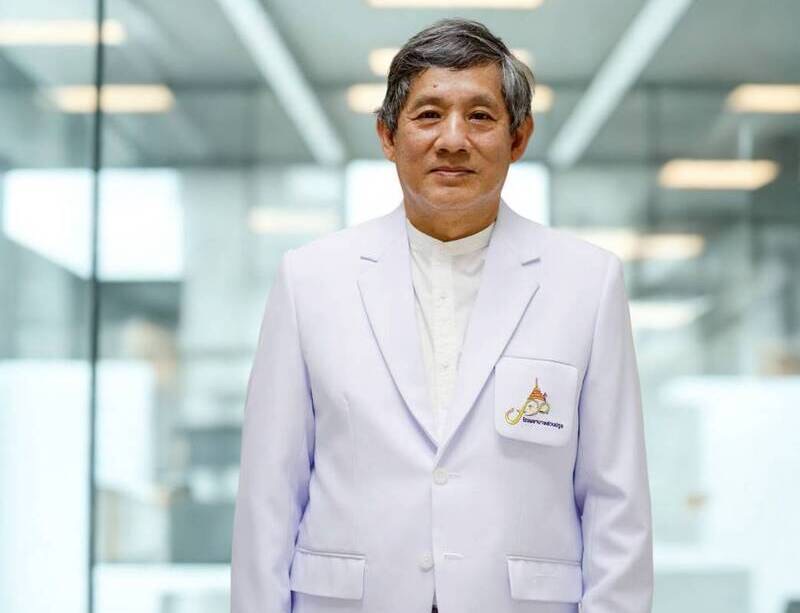
Dr Paritat Silpakit
Medical Director
A senior Thai psychiatrist with decades of experience in substance use disorders, trauma, mood and anxiety disorders, and clinical leadership, overseeing medical care and detox.
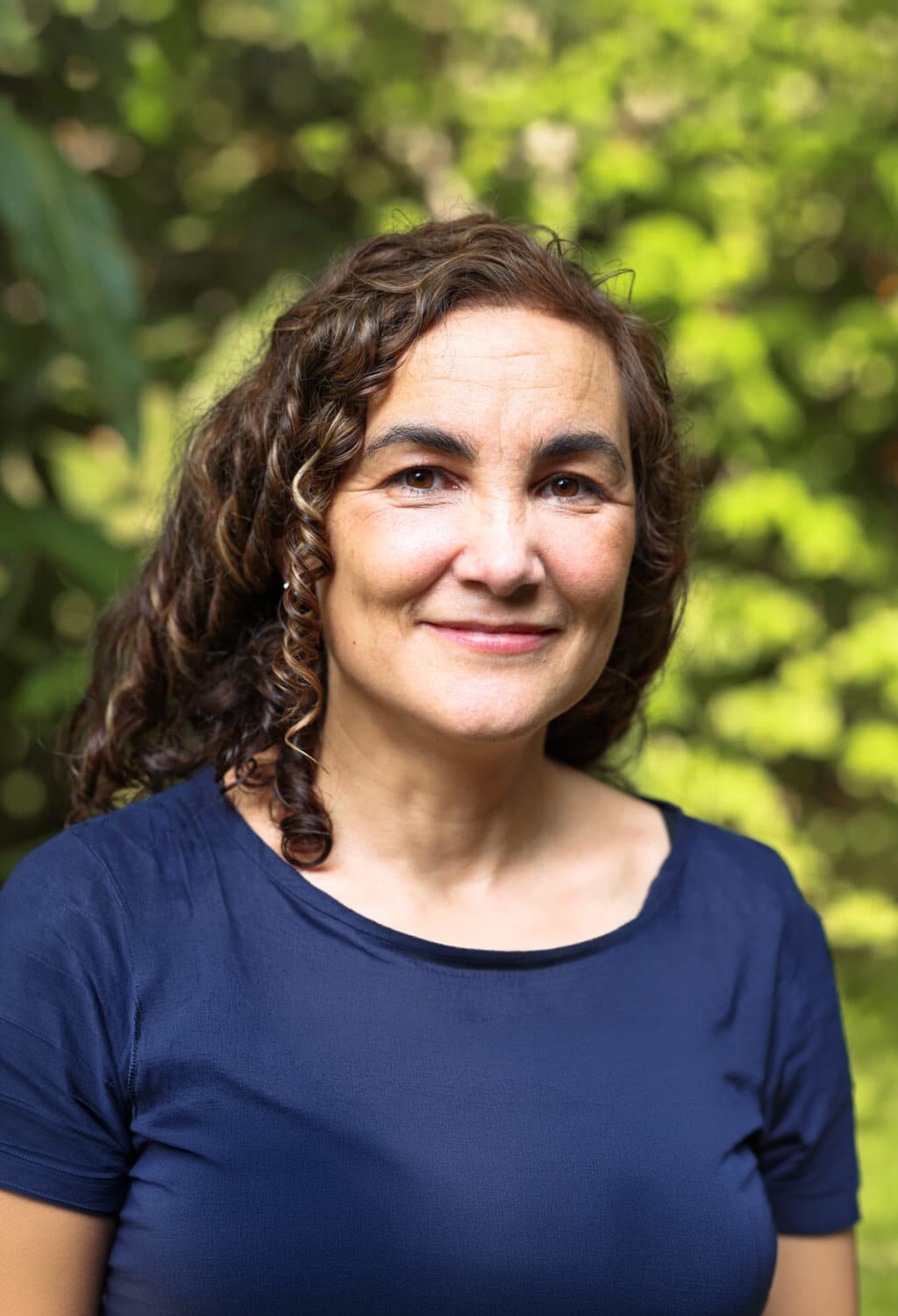
Dr Carin Killips
Counselling Psychologist, Programme Development and Quality
UK-trained with over 20 years of experience in mental health and addiction, including a decade in the NHS, with expertise in CBT, EMDR, Schema Therapy, and Compassion-Focused Therapy.
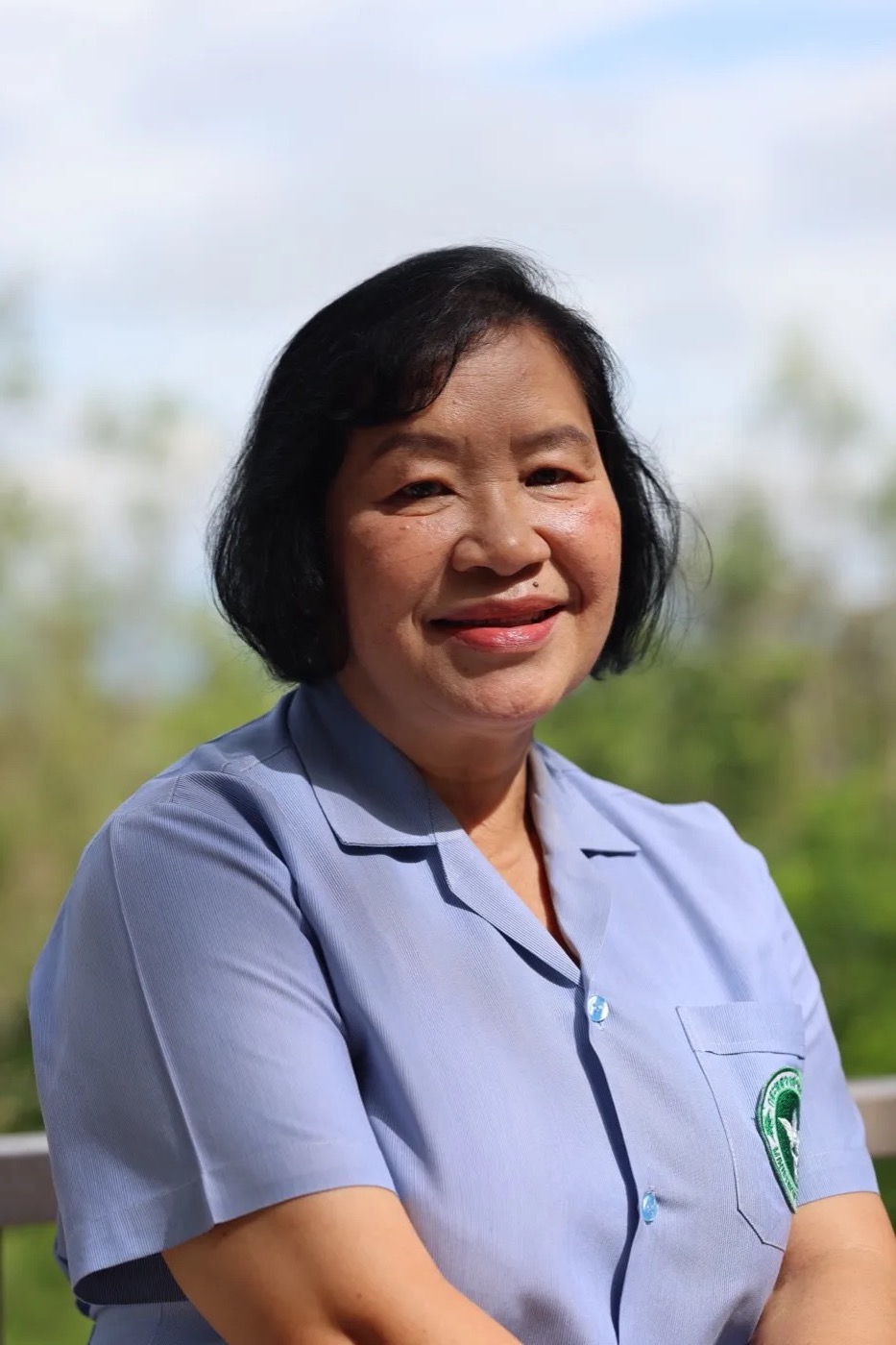
Nurse Orn
Head of Nursing
Leads our nursing team, which provides onsite medical care 24 hours a day throughout your stay.
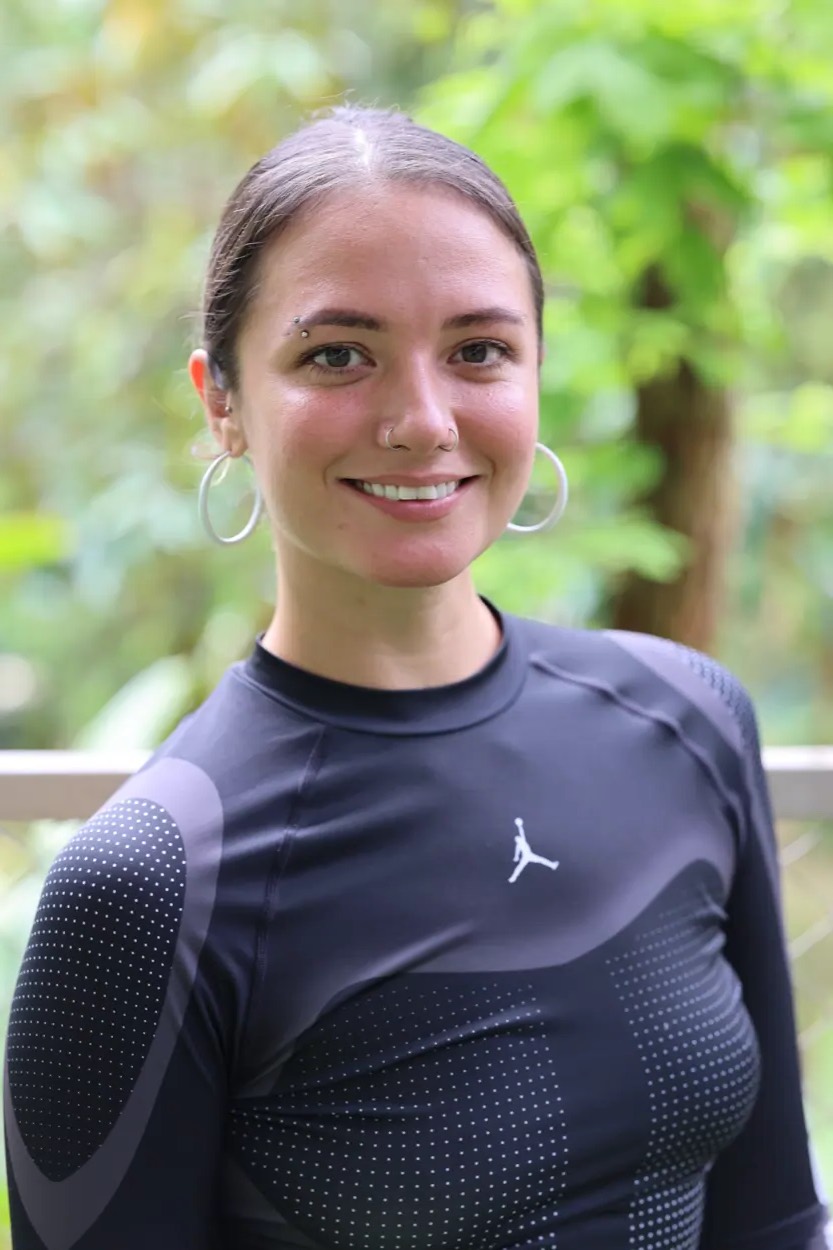
Beth
Holistic Practitioner
A holistic practitioner trained in yoga, therapeutic sound healing, and sound bowl massage, who draws on professional training and lived experience in recovery to support clients’ wellbeing.

Tum
Head of Support
Leads our support team with a kind and compassionate approach, known for his calm, caring manner and his genuine interest in every client’s wellbeing.
Our Patient Outcomes
The Headline Result
7 in 10
clients who arrive with clinical-level anxiety or depression score below the clinical threshold by their latest assessment. Not just feeling better, but measurably out of the clinical range.
Source: GAD-7 and PHQ-9 assessments, The Beekeeper House. April 2023 to July 2026.
Wellbeing You Can Measure
Every client is assessed on arrival and reassessed through treatment, using validated clinical measures trusted by health services worldwide. Among clients who arrived with clinically significant symptoms:
-
97%
Anxiety improved (GAD-7)
of clients arriving with moderate to severe anxiety improved, a 53% average symptom reduction from intake to latest assessment.
-
95%
Depression improved (PHQ-9)
of clients arriving with moderate to severe depression improved, a 56% average symptom reduction from intake to latest assessment.
-
91%
Distress reduced (CORE-10)
of clients arriving above the clinical threshold for psychological distress improved, a 48% average symptom reduction from intake to latest assessment.
Related Reading from Our Library
Trauma and PTSD Treatment: Frequently Asked Questions
What is the difference between trauma and PTSD?
Trauma is the emotional and psychological response that follows a distressing event. PTSD is a diagnosable condition that can develop when trauma symptoms persist and intensify beyond the initial period following the event.
How soon after a traumatic event can PTSD be diagnosed?
PTSD typically develops, and is diagnosed, within three months of a traumatic event, and requires symptoms to have lasted one month or longer. Symptoms lasting under four weeks are classed as Acute Stress Disorder.
Can PTSD occur alongside other conditions?
Yes. Common comorbidities include depression, anxiety, and substance use disorders. Our clinical team assesses each client individually to identify and treat any co-occurring conditions.
How long does residential trauma and PTSD treatment take?
Our minimum residential stay is 35 days. Length of stay is tailored to individual clinical need and agreed with your treatment team.
What therapies are used to treat trauma and PTSD?
Treatment may include trauma-informed individual and group therapy, evidence-based approaches such as EMDR and CBT, and somatic and mindfulness-based practices, delivered with 24-hour clinical support.
Is The Beekeeper House licensed and accredited?
Yes. The Beekeeper House is licensed by the Thai Ministry of Public Health and is AACI Gold accredited. We were recognised at the Healthcare Asia Awards 2025 and the GHP Mental Health Awards 2026.
Are your clinicians qualified to treat trauma and PTSD?
Yes. Our clinical team includes registered psychologists licensed in their respective countries, overseen by our Medical Director, Dr Paritat Silpakit.
What happens after I complete residential treatment?
We support clients into continuing care, which may include our aftercare pathways. Speak with your treatment team about the option that best suits your needs.
How much does trauma and PTSD treatment cost?
Treatment is tailored to each person, so the cost depends on your length of stay and the level of care required. We do not publish prices online, but our admissions team will provide a clear, all-inclusive quote during a free, confidential consultation.
How do I get started?
Contact our admissions team for a free, confidential consultation. We can discuss your situation, answer your questions, and explain the admissions process.
How do you measure and report your outcomes?
We assess every client on arrival and reassess them throughout treatment using validated clinical measures, including GAD-7 for anxiety, PHQ-9 for depression, and CORE-10 for general psychological distress. We publish these outcome figures as measured, including the clinical thresholds they are set against, rather than an unverified summary claim.
Talk to Us in Confidence
If trauma or PTSD is affecting your life, our admissions team is available to talk confidentially about your situation and how residential treatment could help.
Begin Your Recovery Today

Treatment For A Client
We accept referrals from GP’s, psychiatrists, psychologists, counsellors, case managers, and other health professionals. To refer your clients or patients, please get in touch by sending us an email, giving us a call or filling out our online contact form.

Treatment For Yourself
When you come to The Beekeeper House, you are not just getting treatment for your addiction or mental health issue – you are also embarking on a journey of self-discovery and personal growth.

Treatment For A Loved One
The Beekeeper House directs its efforts towards the treatment of comprehensive care and the co-existence of addiction and mental health issues. They will provide your loved ones opportunities to heal and grow.