The Beekeeper House is a leading, award-winning residential prescription drug addiction treatment centre in Thailand, caring for clients worldwide. Prescription medications can become addictive even when originally taken as directed, and stopping some of them without support can be dangerous.
Residential Treatment for Prescription Drug Dependence
We combine medically supervised detox, evidence-based therapy, holistic care, and structured aftercare within one integrated programme.
Set in the mountains of Chiang Mai and accredited to AACI Gold standard, we combine clinical care with a calm, private environment where recovery can take root. Speak to our admissions team to learn about our admissions process and how treatment could work for you or someone you love.
A prescription drug addiction develops when a person becomes dependent on a medication that was originally prescribed by a doctor, or is using someone else’s medication without a prescription. Because these medications come from a legitimate medical source, dependence can develop gradually and go unrecognised, even as tolerance builds and the medication is needed just to feel normal.
Without the right support, coming off some prescription medications safely can be very difficult, and in some cases medically risky. Our team works with you to understand exactly which medications are involved and to build a treatment plan around your specific situation.
We treat dependence on a wide range of prescription medications, including painkillers, benzodiazepines, stimulants, sleeping tablets, and gabapentinoids.
Treatment begins with an in-depth assessment of your medical, psychological, and personal needs, and a plan built around what that assessment finds.
Painkillers
OxyContin
Vicodin
Codeine
Morphine
Fentanyl
Tramadol
Methadone
Suboxone
Benzodiazepines
Xanax
Valium
Ativan
Klonopin
Stimulants
Ritalin
Dexedrine
Sleeping tablets
Ambien
Restoril
Lunesta
Gabapentinoids
Lyrica
Gabapentin
If your addiction involves a non-prescription drug, our dedicated drug addiction programme may be a better starting point.
Prescription drug addiction can be harder to recognise than other forms of addiction, but there are common signs to look for.
If you recognise these signs in yourself or someone you care about, please reach out for a confidential consultation so we can help you find the right support.
Physical Signs
Drowsiness
Drowsiness, or appearing lethargic or unsteady.
Slurred speech
Slurred speech or poor coordination.
Slowed breathing
Nausea or slowed breathing.
Changes in sleep and appetite
Changes in sleep and appetite.
Withdrawal symptoms
Withdrawal symptoms, such as dizziness or shaking, when the medication is missed.
Psychological Signs
Taking higher doses
Taking higher doses than prescribed.
Anxiety and low mood
Anxiety, paranoia, or low mood.
Poor memory
Poor memory or difficulty concentrating.
Unable to cut down
Feeling unable to stop or cut down.
Behavioural Signs
Requesting early refills
Requesting early refills, or seeking prescriptions from more than one doctor.
Using another’s medication
Using medication that was not prescribed to you.
Increased secrecy
Increased secrecy about medication use.
Neglecting responsibilities
Neglecting responsibilities at work, study, or home.
Our Prescription Drug Addiction Treatment Programme in Thailand
Lasting recovery means addressing both the physical and the psychological sides of dependence. Our approach is integrative, combining medically supervised detox, clinical psychology, and holistic care, all tailored to your individual needs.
Stage one
Medically Supervised Detox
Where detox is needed, it takes place on site under 24-hour medical care, overseen by our Medical Director, Dr Paritat Silpakit. Because withdrawal from some prescription medications, particularly benzodiazepines and opioids, can be serious, everyone is medically assessed before detox begins, and medication is used where clinically appropriate to keep you safe and comfortable.
Once detox is under way, therapy addresses the reasons behind the medication use. You will have extensive one-to-one time with your psychologist, alongside group work, drawing on evidence-based practices such as cognitive behavioural therapy and mindfulness-based skills.
Alongside clinical treatment, our Holistic Wellness programme supports your physical and emotional health through yoga, meditation, breathwork, sound healing, movement, somatic practices such as TRE (Trauma Release Exercises), and more, helping you rebuild a stable and healthy routine.
Recovery does not end at the gate. Every Beekeeper House graduate leaves with a structured aftercare plan, drawn from five complementary pathways that your clinical team will help you combine before you fly home:
My Beekeeper An award-winning app that keeps you connected to your clinical team, peer community, and recovery tools from anywhere in the world.
The Reset Bali A structured residential step-down programme in Sanur for a supported transition between treatment and independent life.
Embrace Sober House Thailand’s longest-running sober house, in Chiang Mai, for clients who want to practise recovery in a supportive community before returning home.
RISE A clinician-led twelve-week online continuing care programme combining group work with peer accountability.
Continuing Care Partners A curated network of independent recovery coaches, case managers, and psychologists near home, with partners across the United Kingdom, United States, and Australia.
Dual diagnosis
Treating Co-Occurring Mental Health Conditions
Many people who become dependent on a prescription medication also live with anxiety, depression, trauma, or chronic pain, and the medication is often a way of coping with it. This is known as dual diagnosis, and each condition can worsen the other, which makes treating them together essential.
As a centre that specialises in both addiction and mental health, The Beekeeper House treats co-occurring conditions within a single integrated programme, so that you leave with a solid foundation for lasting recovery rather than a partial solution.
Why Choose The Beekeeper House for Prescription Drug Addiction Treatment in Thailand
The Beekeeper House is a medically licensed, AACI Gold accredited residential centre in Chiang Mai, part of the award-winning Beekeeper Group. We bring together clinical care, a calm and private setting, and a team that supports you at every stage of your recovery.
An Internationally Trained, English-Speaking Team
Our clinical team is internationally trained, with psychologists from the United States, Australia and New Zealand, and the United Kingdom, and all treatment is delivered in English. For clients travelling from abroad, this means care that feels familiar, delivered by professionals who understand your background and expectations.
Our Centre in Chiang Mai
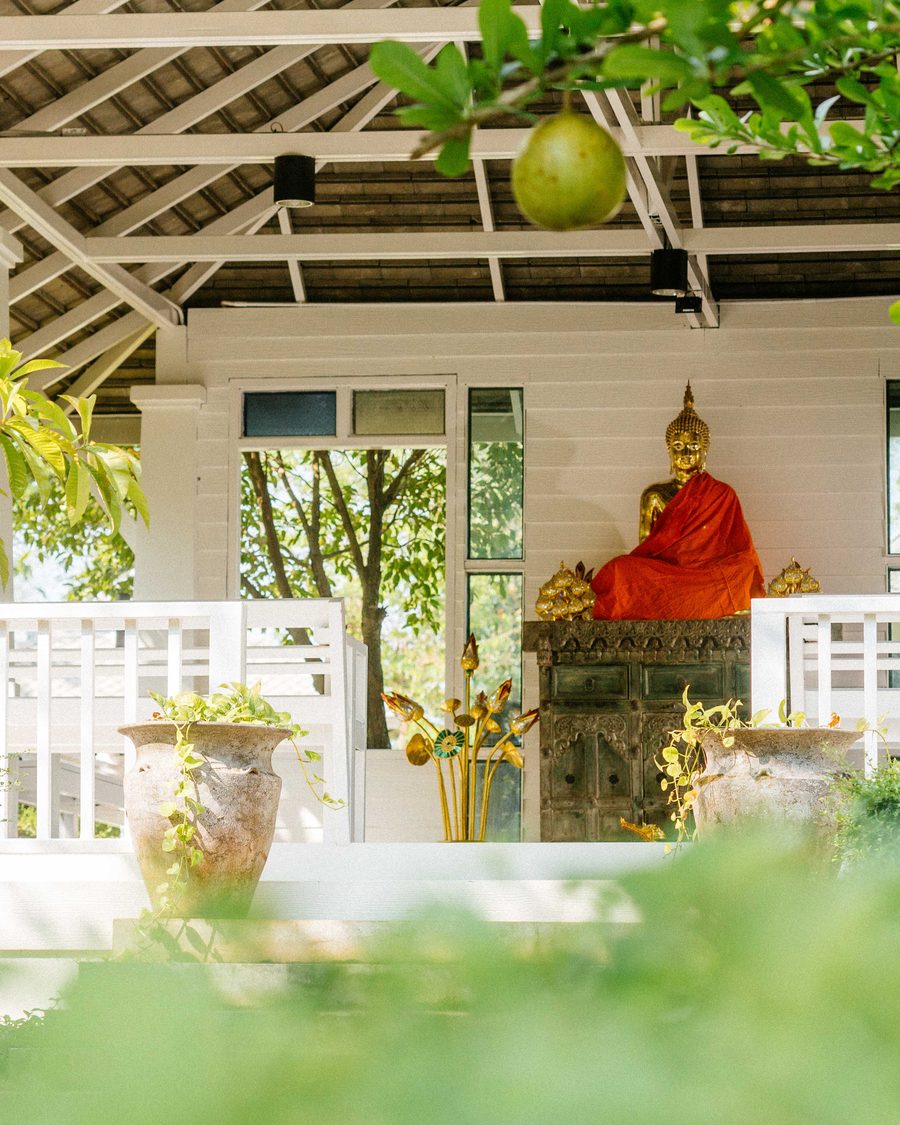
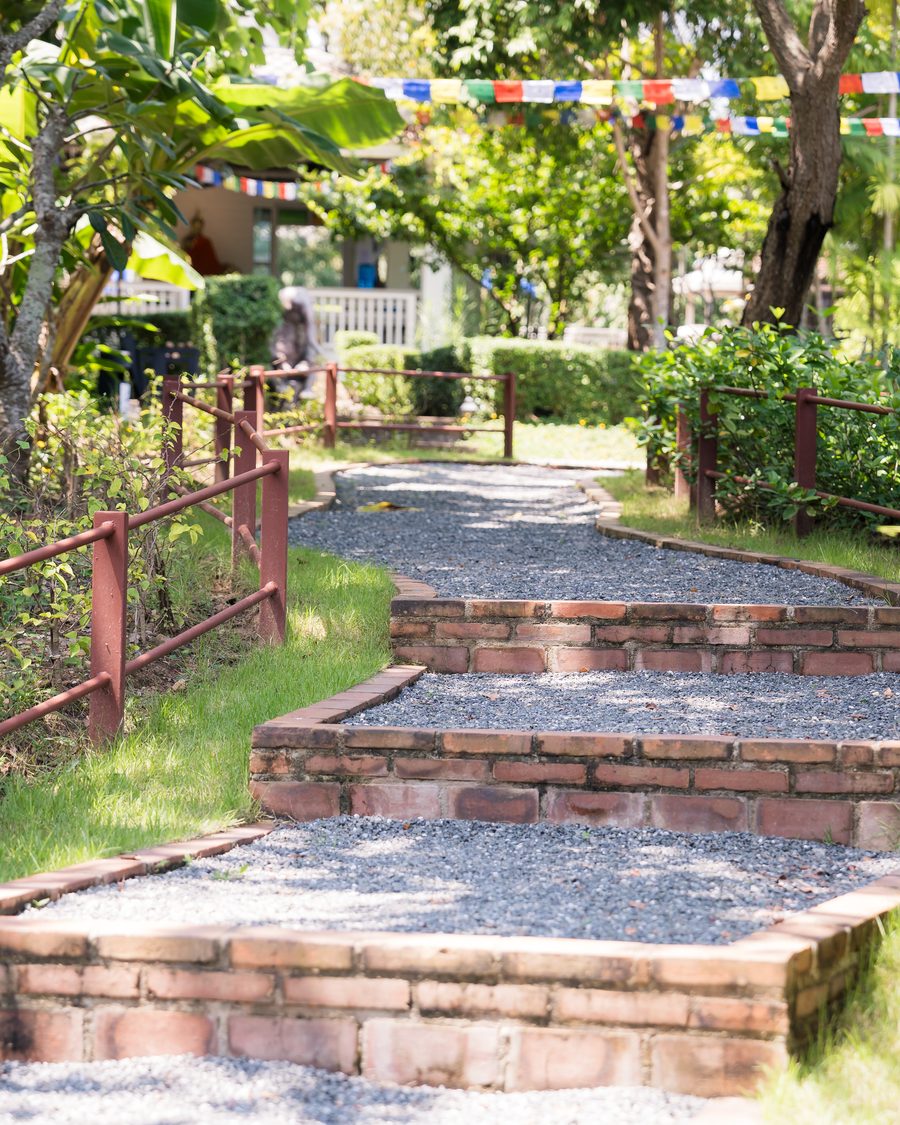
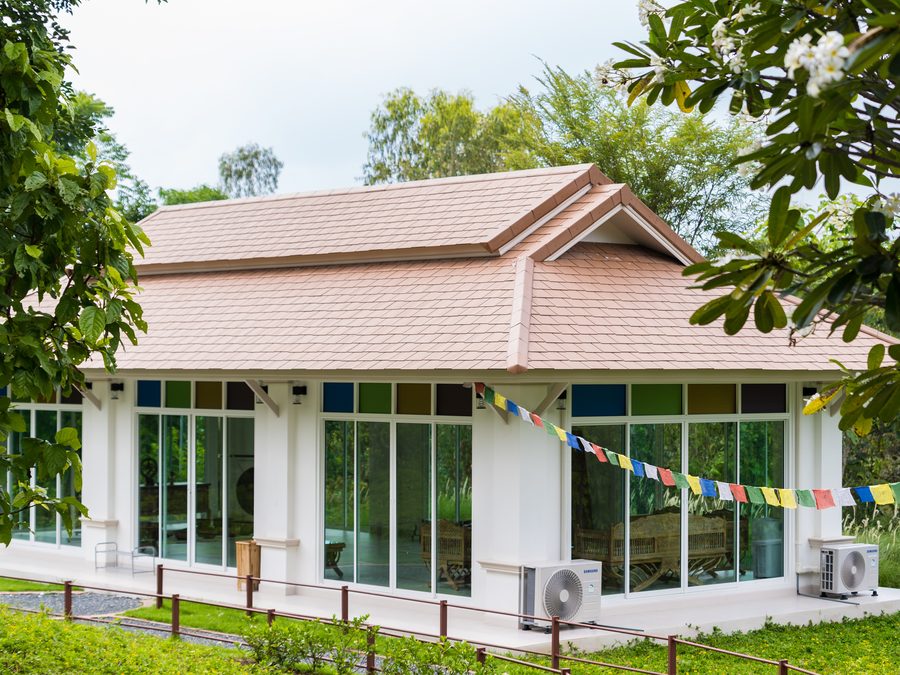
Our residential centre sits on two hectares of botanical gardens in the mountains of Mae Rim, Chiang Mai, in northern Thailand. It is a private, resort-style setting, with calm indoor and outdoor spaces designed to support rest, reflection, and recovery, and enough distance from the pressures and triggers of daily life to let you focus entirely on healing.
An Accredited, Medically Licensed Facility
The Beekeeper House is licensed by the Thai Ministry of Public Health and accredited to AACI Gold standard, an international mark of quality and safety in healthcare. Recent recognition includes the Healthcare Asia Awards 2025 and the GHP Mental Health Awards 2026.
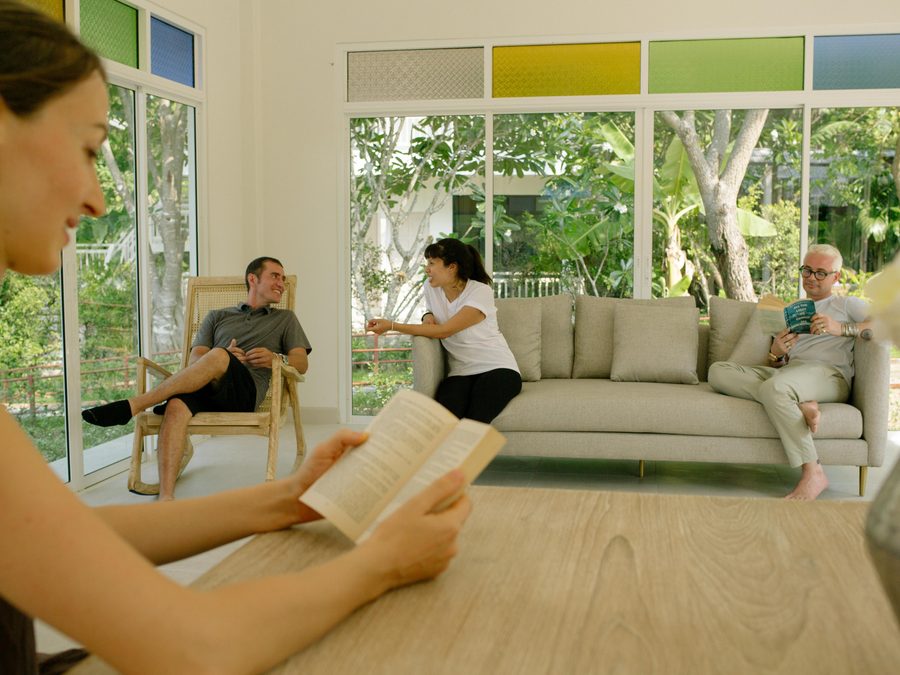
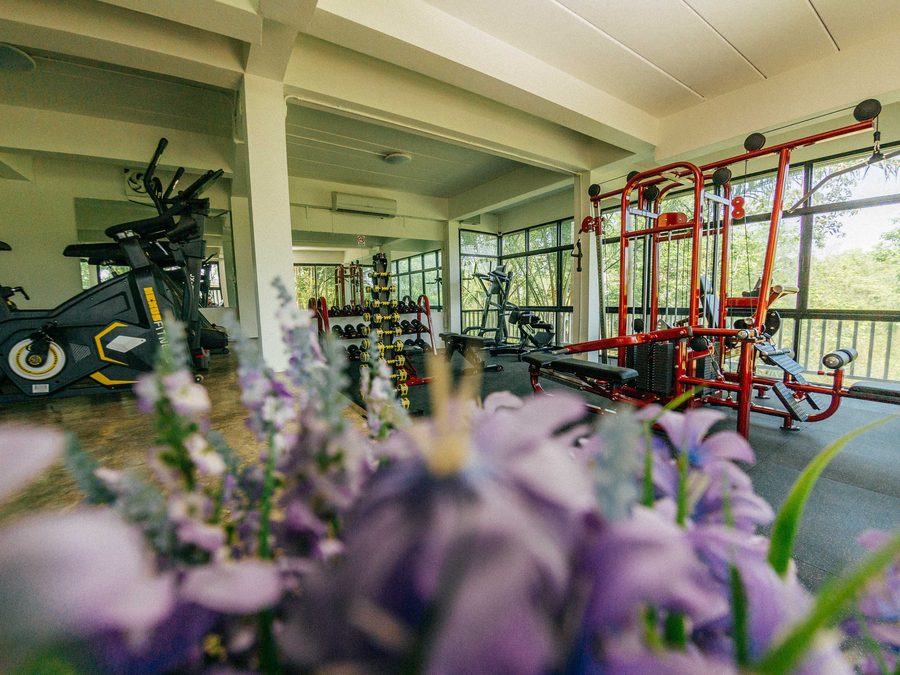
All of this is done in the comfort of our luxury resort-style facility, so you can enjoy your recreation time as well. This includes the gym, pool, botanical gardens, community garden, recreation centre and yoga and meditation centre.
The yoga and meditation sala
The recreation centre
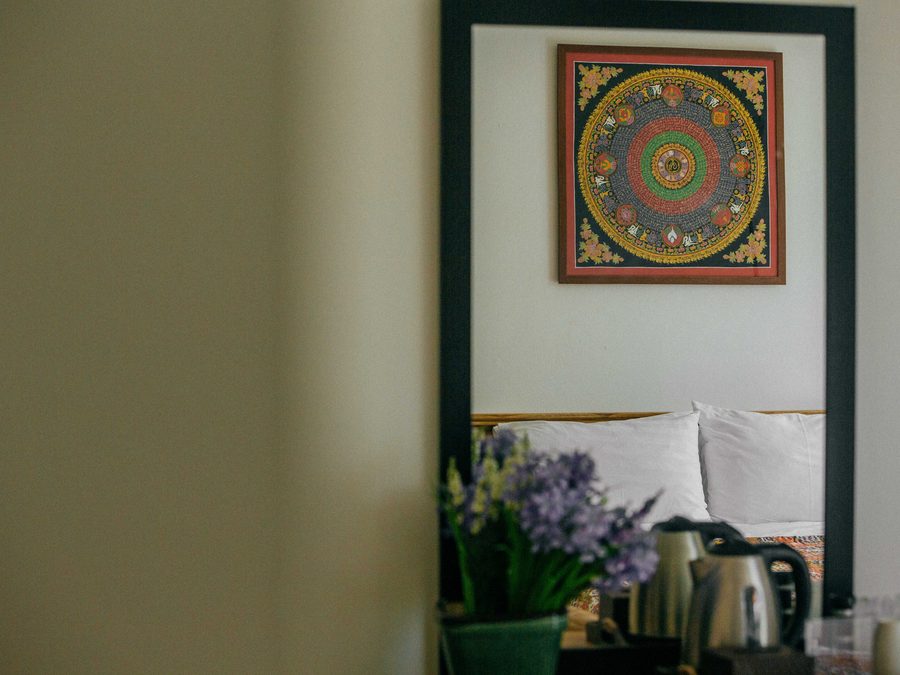
Private bedrooms
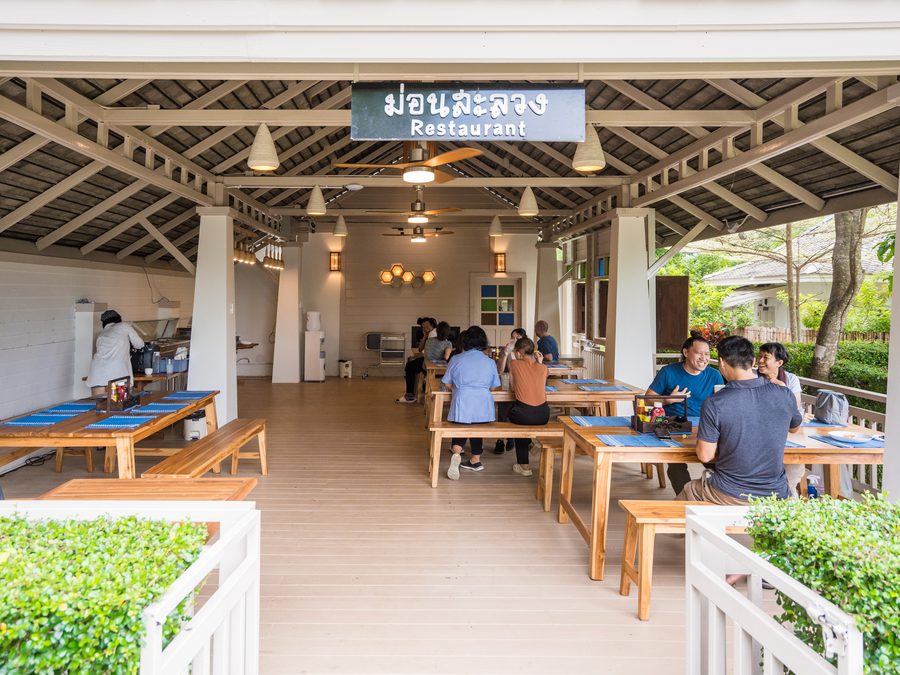
Meals by our award-winning chef
The gym
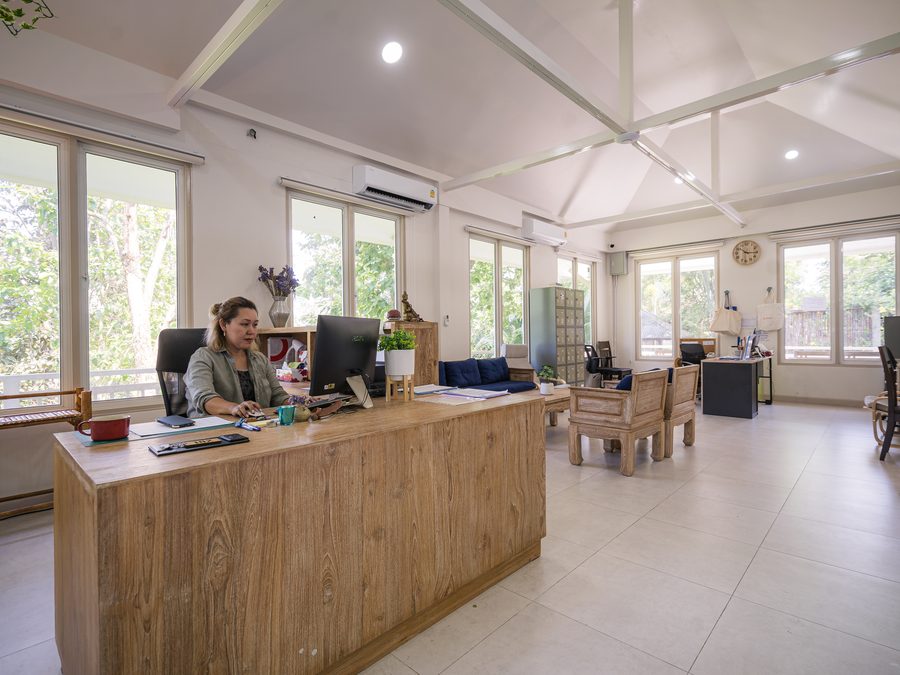
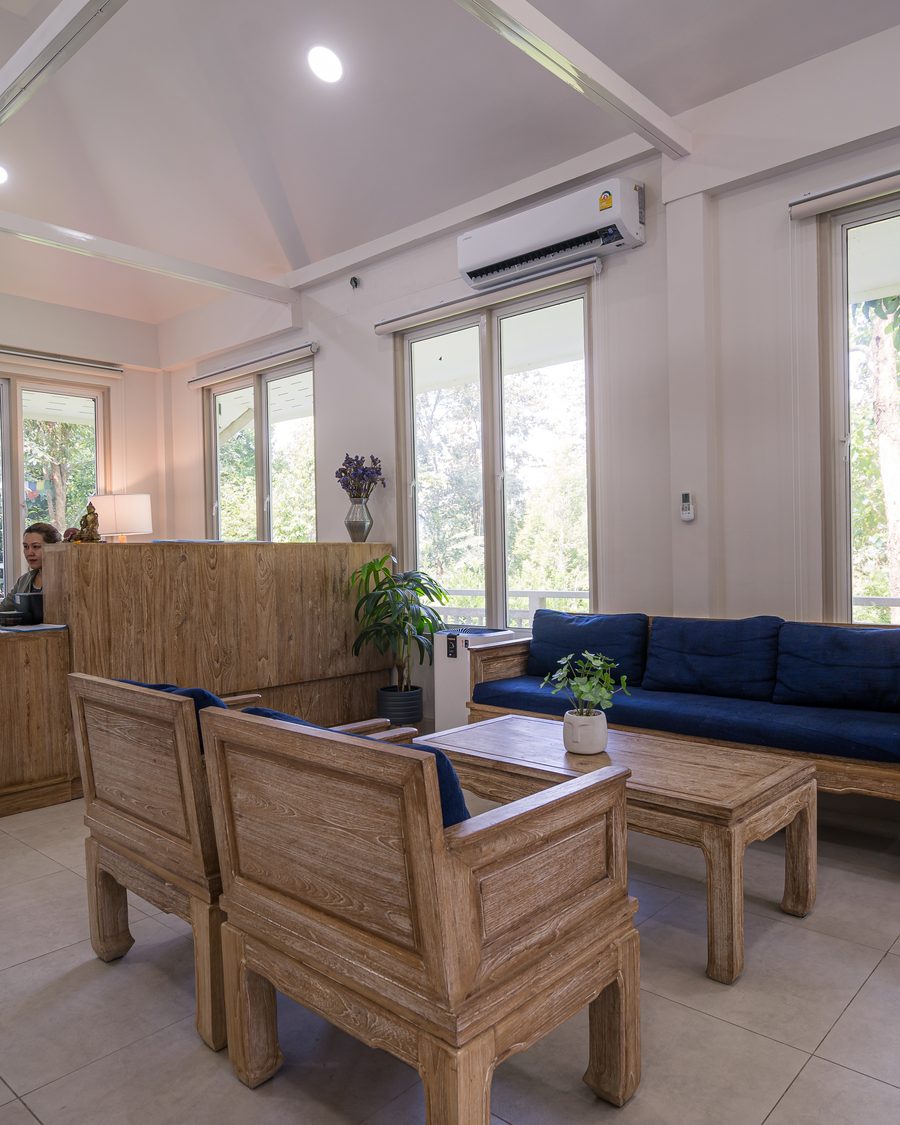
Reception, on arrival
The botanical gardens
01 / 07
International clients
Rehab in Thailand for International Clients
Most of the people we treat travel to us from overseas, and we have built dedicated support around that journey. Choosing to travel for treatment puts helpful distance between you and the environment linked to your medication use, and it gives you access to accredited, international-standard care.
Our admissions team guides you through every step, from the initial consultation and clinical assessment, which take place by phone or video before you travel, through to travel, arrival, and settling in. Australian clients may also be able to access their superannuation early to fund treatment on medical grounds. To learn more about treatment from your part of the world, visit our pages for clients from the United Kingdom, Australia, and the United States.
You will be cared for by an experienced, multidisciplinary team that blends local and international expertise. A few of the people behind your care:
Dr Robert Common
Chief Executive Officer
A Doctor of Psychology with over 20 years of experience leading mental health and wellness organisations across the region, and an award-winning voice in behavioural health.
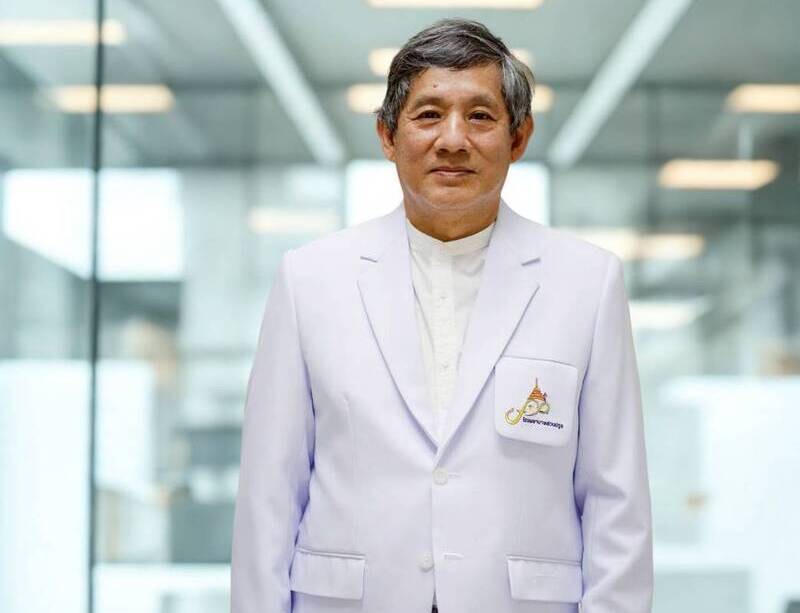
Dr Paritat Silpakit
Medical Director
A senior Thai psychiatrist with decades of experience in substance use disorders, trauma, mood and anxiety disorders, and clinical leadership, overseeing medical care and detox.
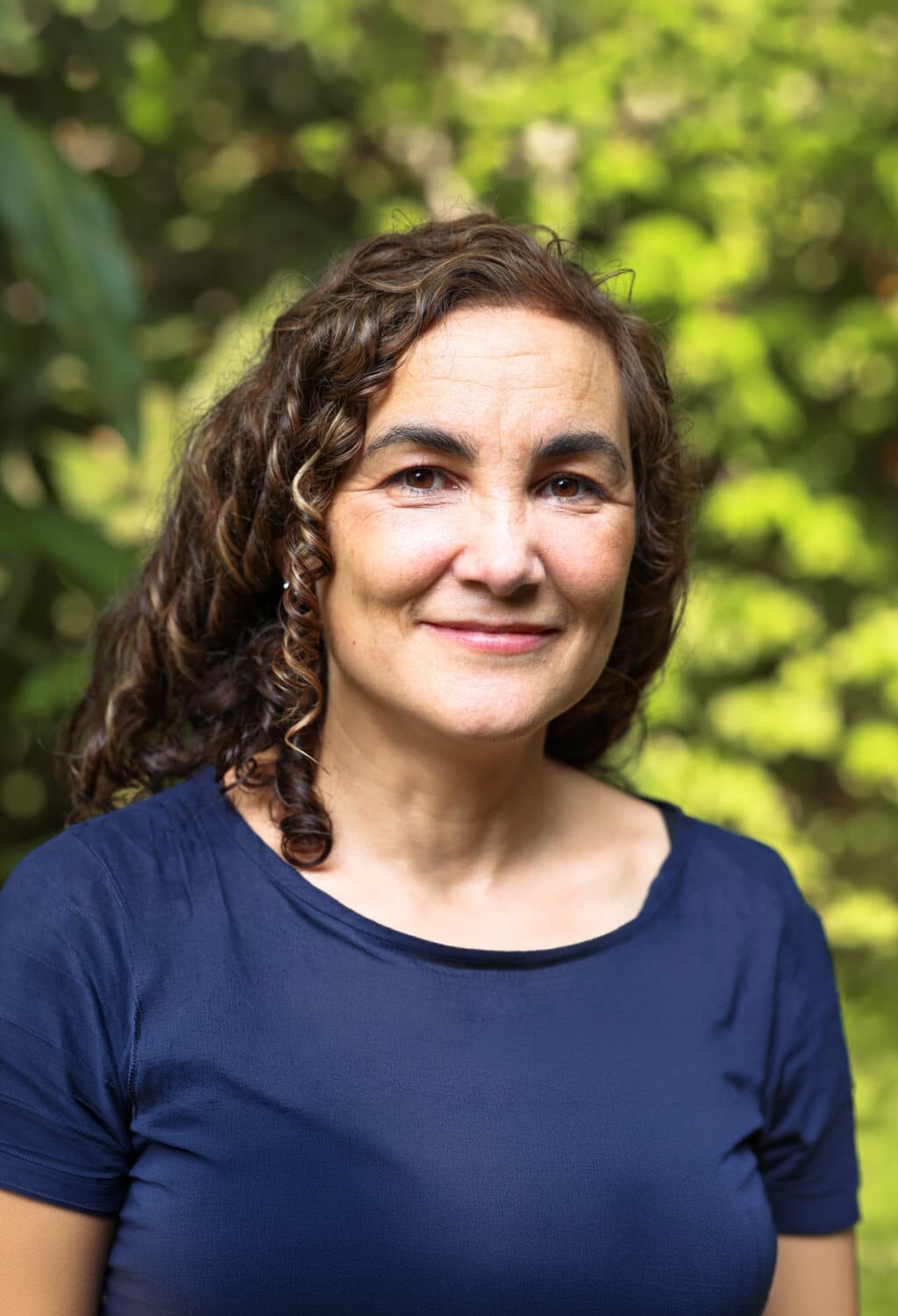
Dr Carin Killips
Counselling Psychologist, Programme Development and Quality
UK-trained with over 20 years of experience in mental health and addiction, including a decade in the NHS, with expertise in CBT, EMDR, Schema Therapy, and Compassion-Focused Therapy.
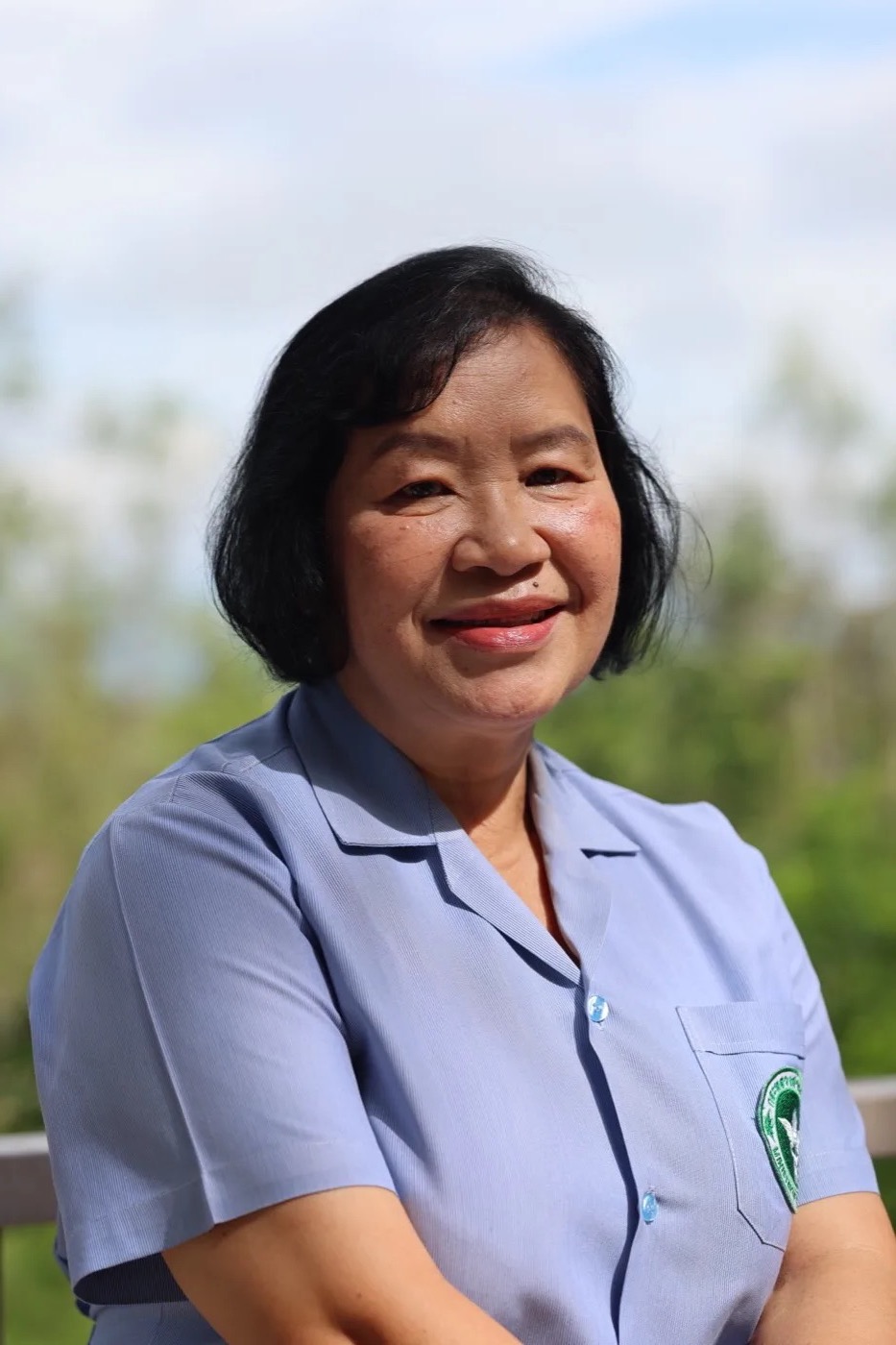
Nurse Orn
Head of Nursing
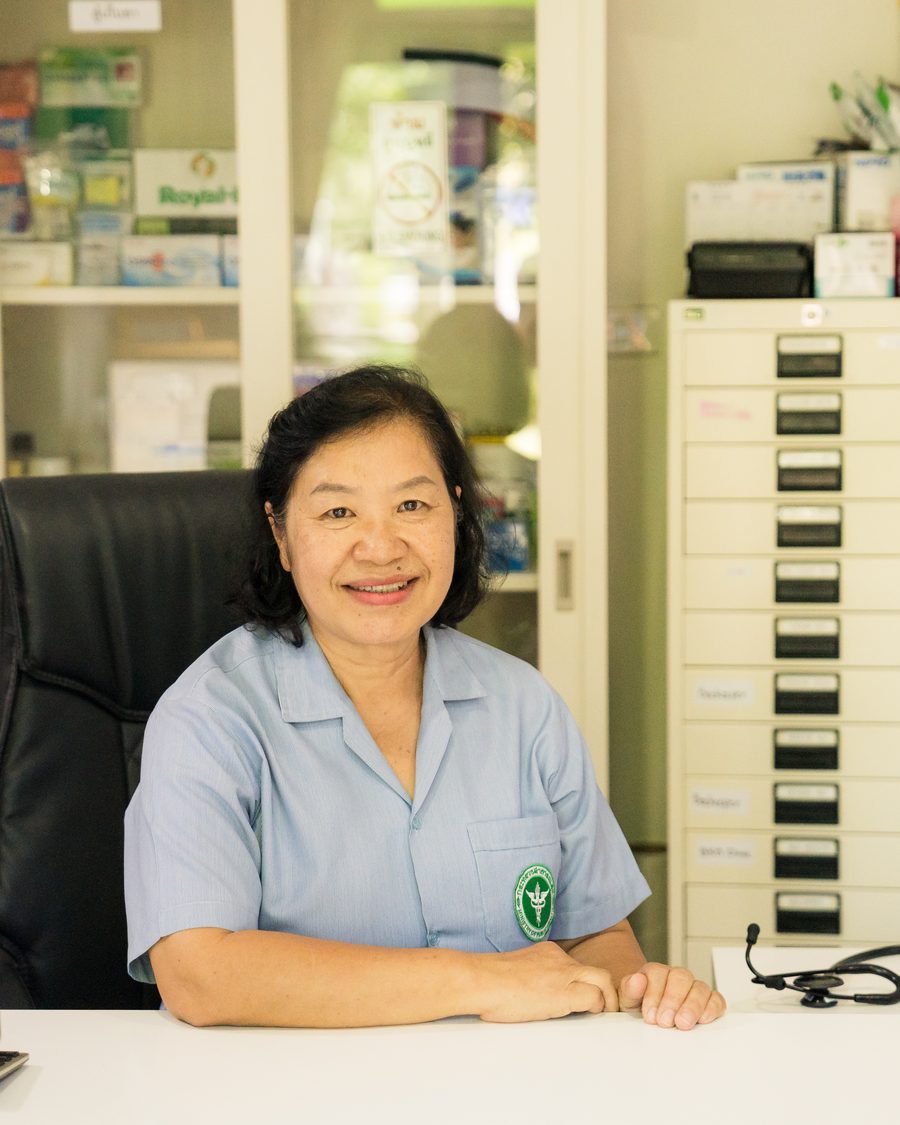
Leads our nursing team, which provides onsite medical care 24 hours a day throughout your stay.
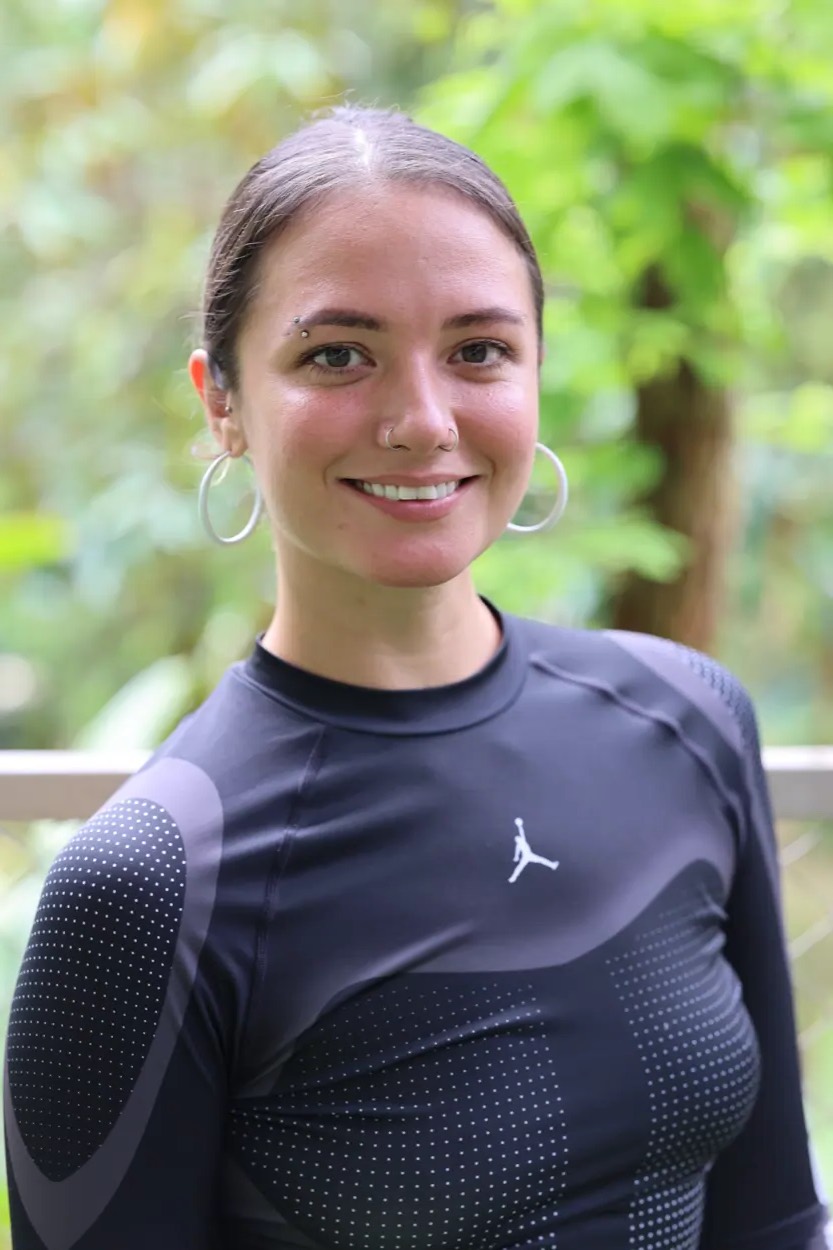
Beth
Holistic Practitioner
A holistic practitioner trained in yoga, therapeutic sound healing, and sound bowl massage, who draws on professional training and lived experience in recovery to support clients’ wellbeing.
Tum
Head of Support
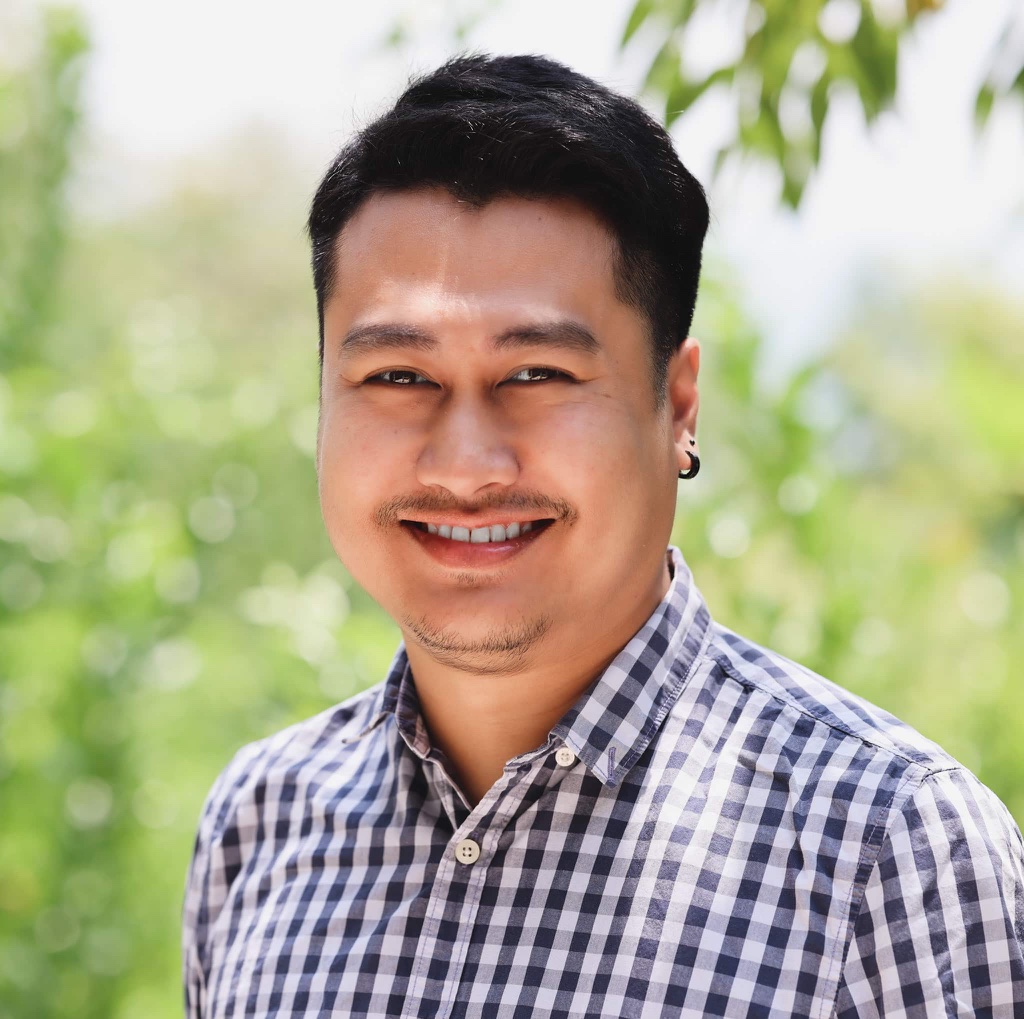
Leads our support team with a kind and compassionate approach, known for his calm, caring manner and his genuine interest in every client’s wellbeing.
Prescription Drug Addiction Treatment Thailand: Frequently Asked Questions
What prescription medications does The Beekeeper House treat?
We treat dependence on a wide range of prescription medications, including painkillers such as OxyContin, morphine, and fentanyl, benzodiazepines such as Xanax and Valium, stimulants such as Ritalin, sleeping tablets such as Ambien, and gabapentinoids such as Lyrica.
What are the signs of a prescription drug addiction?
Signs include taking higher doses than prescribed, feeling unable to stop or cut down, requesting early refills or prescriptions from more than one doctor, withdrawal symptoms when a dose is missed, and changes in mood, sleep, or behaviour.
Is it dangerous to stop a prescription medication without help?
It can be. Stopping some medications suddenly, particularly benzodiazepines and opioids, can be dangerous and in some cases life-threatening. This is why everyone is medically assessed first, and a personalised, medically supervised detox plan is developed for the specific medication involved.
What does treatment involve?
Treatment begins with an in-depth medical and psychological assessment, followed by a personalised plan. For most people this means medically supervised detox where it is needed, a residential therapy programme, and a structured aftercare plan for when you return home.
How long is a treatment programme?
Our residential programme has a minimum stay of 35 days. The right length depends on the medication involved and your individual needs, and is agreed with you following assessment.
Do you treat addiction and mental health together?
Yes. Addiction and mental health conditions frequently occur together, which is known as dual diagnosis. As a centre that specialises in both, we treat them together within one integrated programme.
Can I have treatment if I am travelling from overseas?
Yes. Most of the people we treat travel to us from abroad. Our admissions team supports you through assessment, travel, and arrival, with dedicated lines for the United Kingdom, Australia, and the United States.
How much does prescription drug addiction treatment cost?
Treatment is tailored to each person, so the cost depends on the medication involved, your length of stay, and the level of care required. We do not publish prices online, but our admissions team will provide a clear, all-inclusive quote during a free, confidential consultation.
Is my treatment confidential?
Yes. Privacy and discretion are central to how we work. Your treatment, and the fact that you are receiving it, remain confidential throughout your stay and beyond.
How do I start?
The first step is a free, confidential conversation with our admissions team. They will carry out an initial assessment, answer your questions, and help you decide whether The Beekeeper House is right for you or your loved one.
Start Your Journey to Recovery
Coming off a prescription medication safely is rarely something to do alone. At The Beekeeper House, a medically supervised plan, therapy that reaches the reasons behind the medication, and a calm place to do the work come together in one programme — and our admissions team is ready to talk it through whenever you are.
Reaching out is often the hardest step, and we make what follows as clear and supportive as possible. Whether you are seeking help for yourself, for a loved one, or referring a patient, our admissions team will talk you through your options with no pressure and complete confidentiality.
Treatment For A Client
We accept referrals from GP’s, psychiatrists, psychologists, counsellors, case managers, and other health professionals. To refer your clients or patients, please get in touch by sending us an email, giving us a call or filling out our online contact form.
Treatment For Yourself
When you come to The Beekeeper House, you are not just getting treatment for your addiction or mental health issue – you are also embarking on a journey of self-discovery and personal growth.
Treatment For A Loved One
The Beekeeper House directs its efforts towards the treatment of comprehensive care and the co-existence of addiction and mental health issues. They will provide your loved ones opportunities to heal and grow.