Mood Disorder Treatment Thailand
The Beekeeper House is a leading, award-winning residential treatment centre in Chiang Mai, Thailand, for people living with mood disorders, welcoming clients from around the world.
Residential Mood Disorder Treatment at The Beekeeper House
Mood disorders are mental health conditions that affect a person’s emotional state, and left unsupported they can disrupt work, relationships, and everyday routines.
We provide medically supervised, evidence-based care within a private, residential setting accredited to AACI Gold standard. Explore the sections below to understand the main types of mood disorder we treat, or go straight to the condition closest to your own experience.

What Are Mood Disorders?
Mood disorders are mental health conditions that affect a person’s emotional state, typically involving sustained shifts in mood that go well beyond ordinary ups and downs. Broadly, they fall into two groups: depressive disorders, which involve persistent low mood, and bipolar disorders, which involve shifts between low mood (depression) and elevated mood and energy, which can range from a milder form (hypomania) to a more intense form (mania). Both groups can affect work, relationships, and daily functioning, and both respond well to structured, professional treatment.
Types of Mood Disorders
We treat a range of depressive and bipolar-spectrum conditions. The three most commonly searched for, and the focus of this section, are bipolar disorder, major depressive disorder, and seasonal affective disorder, each of which has its own dedicated page linked below.
-
Bipolar Disorder
Bipolar disorder involves intense shifts in mood, activity levels, energy, and concentration, cycling between depressive episodes and periods of mania or hypomania. It includes several subtypes, Bipolar I, Bipolar II, and Cyclothymic Disorder, which differ in the intensity and duration of episodes.
-
Major Depressive Disorder
Major Depressive Disorder, also known as clinical depression, is one of the most common mood disorders, affecting an estimated 3.8% of the global population. It involves persistent low mood and a loss of interest or pleasure in activities, with symptoms lasting two or more weeks.
-
Seasonal Affective Disorder (SAD)
Seasonal Affective Disorder, commonly abbreviated SAD, is a subtype of depression that follows a seasonal pattern, most often appearing in late autumn and early winter as daylight hours shorten. Symptoms include low mood, low energy, and irritability.


Other Depressive Conditions We Treat
We also treat other depressive presentations, including Persistent Depressive Disorder (Dysthymia), a chronic low mood lasting two or more years, Premenstrual Dysphoric Disorder (PMDD), which appears in the days before a menstrual cycle, Postpartum Depression, which follows childbirth, and Disruptive Mood Dysregulation Disorder (DMDD) in children and adolescents. Every treatment plan begins with a full clinical assessment so the specific condition, or combination of conditions, is correctly identified.
Our Approach to Mood Disorder Treatment
Our integrated approach combines evidence-based therapies, such as Cognitive Behavioural Therapy (CBT) and Dialectical Behaviour Therapy (DBT), with pharmacological support where clinically appropriate, including mood stabilisers, and holistic elements such as meditation, mindfulness, movement, and nature exposure. Our residential programme has a minimum stay of 35 days, giving enough time for a full assessment, stabilisation, and a personalised course of therapy.
Why Choose The Beekeeper House for Mood Disorder Treatment
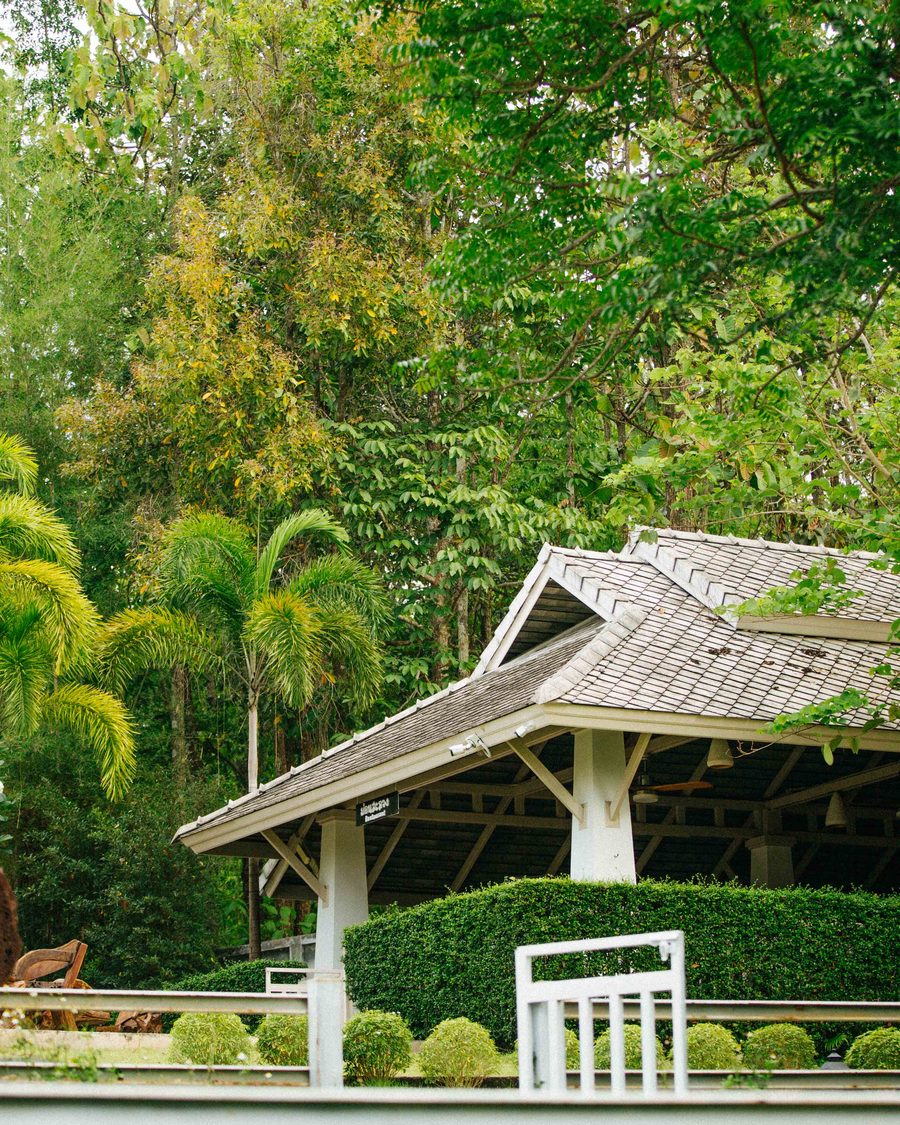
We are licensed by the Thai Ministry of Public Health and accredited to AACI Gold standard, an international mark of quality and safety in healthcare, with recent recognition including the Healthcare Asia Awards 2025 and the GHP Mental Health Awards 2026.
An Internationally Trained, English-Speaking Team
Our clinical team is internationally trained, and all treatment is delivered in English.
A Calm, Private Setting in Mae Rim
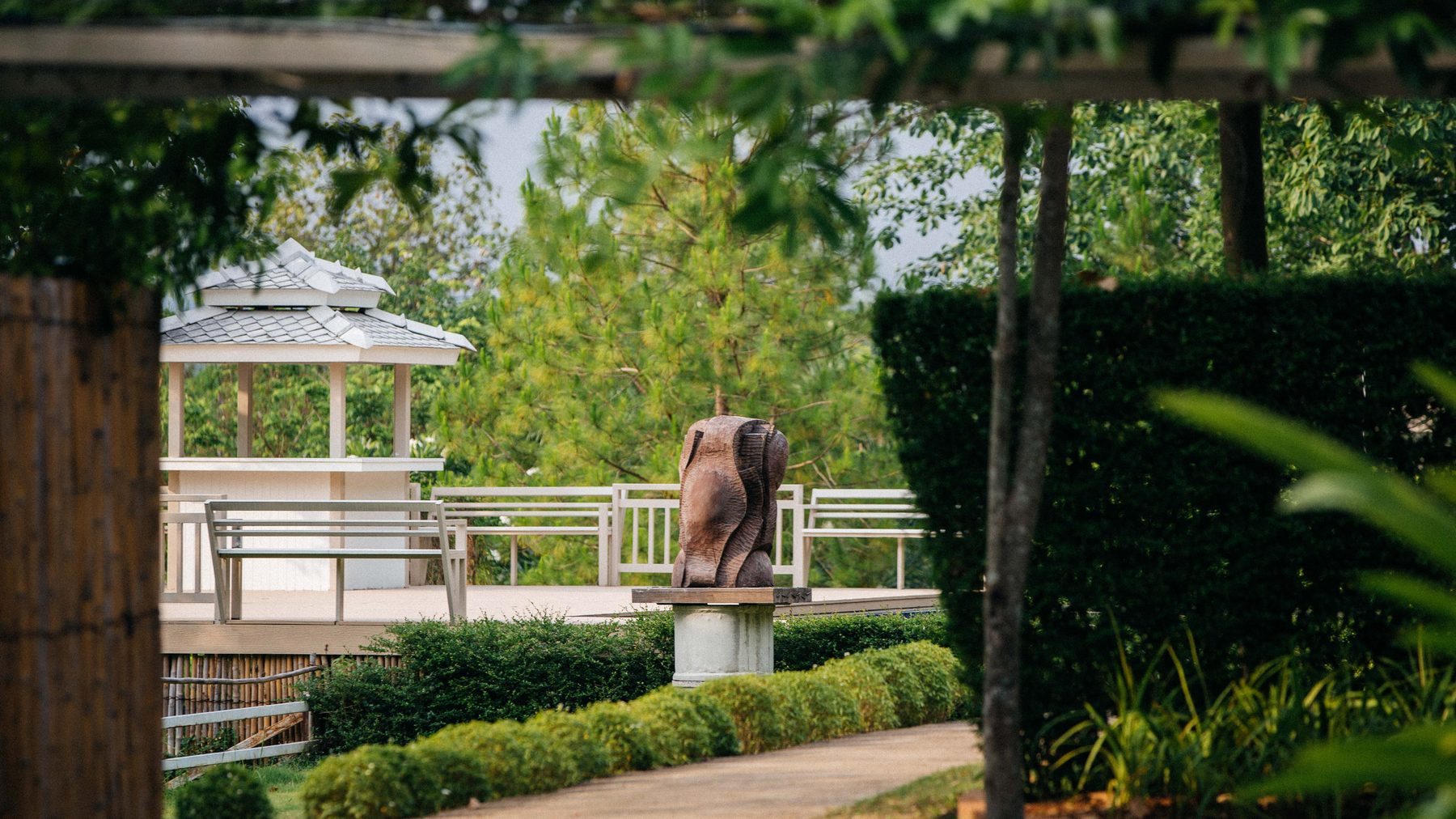
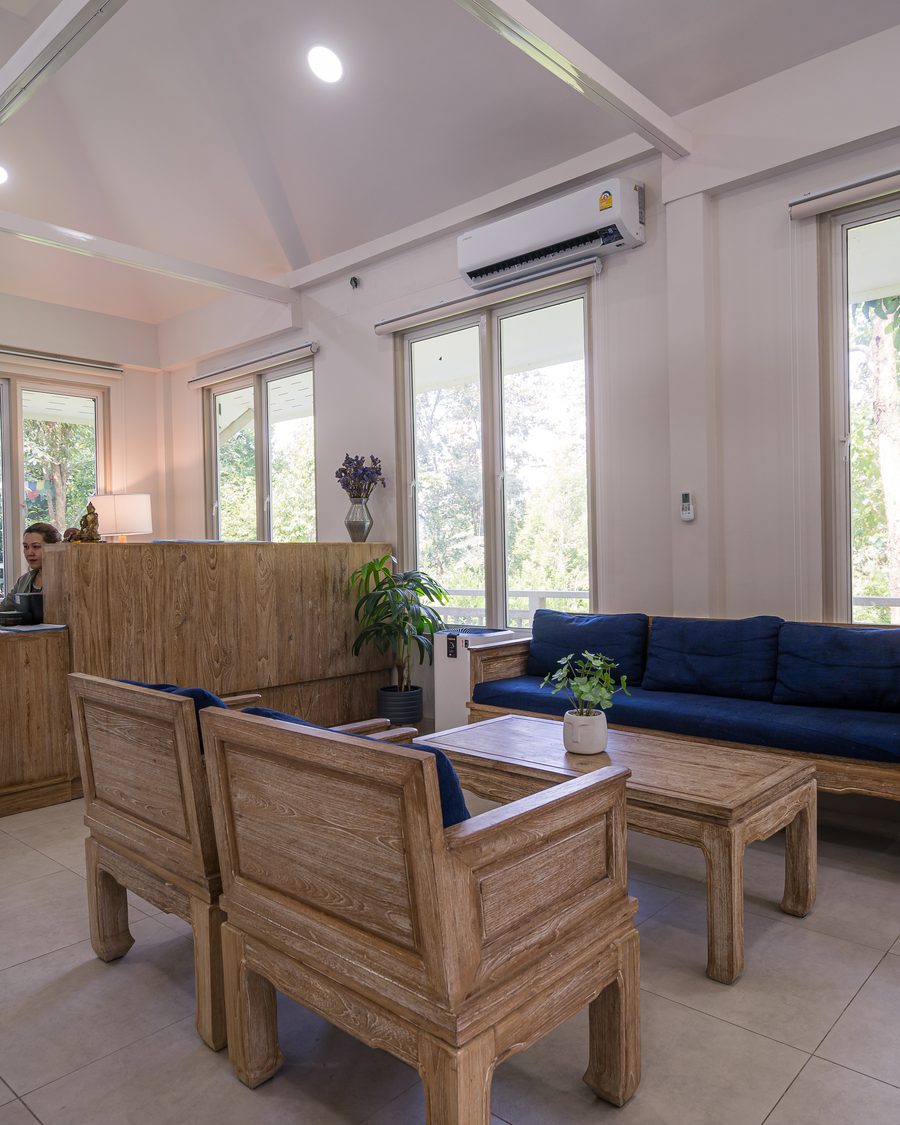
Treatment is delivered within a calm, private setting in the mountains of Mae Rim, Chiang Mai.


Rehab in Thailand for International Clients
Most of the people we treat travel to us from overseas, and we have built dedicated support around that journey. Choosing to travel for treatment puts helpful distance between you and the environment linked to your symptoms, and gives you access to accredited, international-standard care.
Our admissions team guides you through every step, from the initial consultation and clinical assessment, which take place by phone or video before you travel, through to travel, arrival, and settling in. Australian clients may also be able to access their superannuation early to fund treatment on medical grounds. To learn more about treatment from your part of the world, see the pages below for clients from the United Kingdom, Australia, and the United States.
Our Clinical and Leadership Team
You will be cared for by an experienced, multidisciplinary team that blends local and international expertise. A few of the people behind your care:
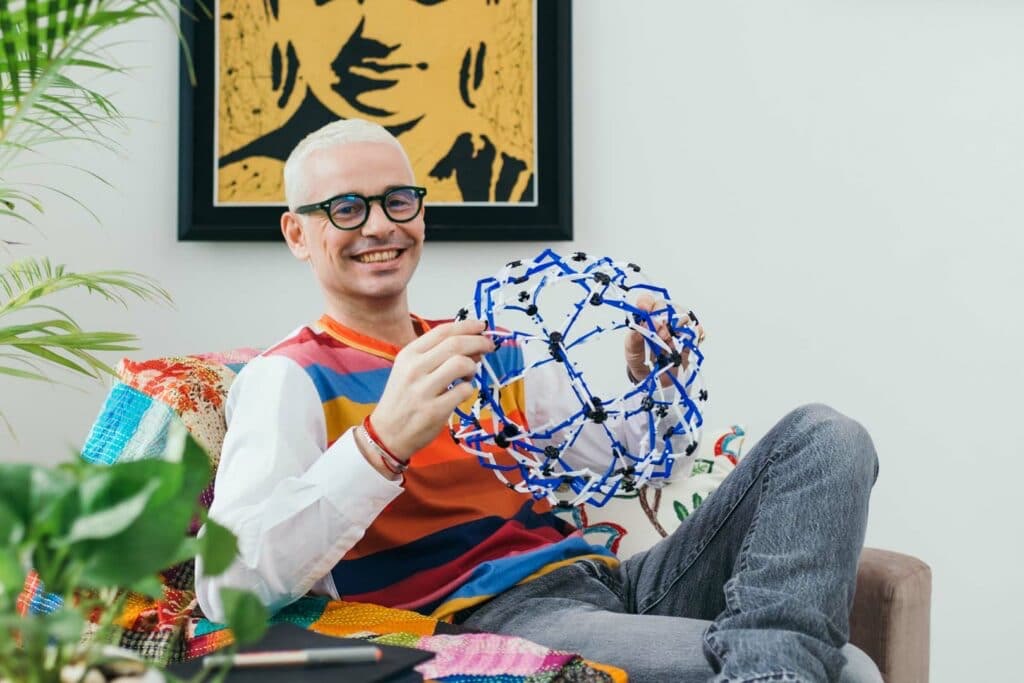
Dr Robert Common
Chief Executive Officer
A Doctor of Psychology with over 20 years of experience leading mental health and wellness organisations across the region, and an award-winning voice in behavioural health.
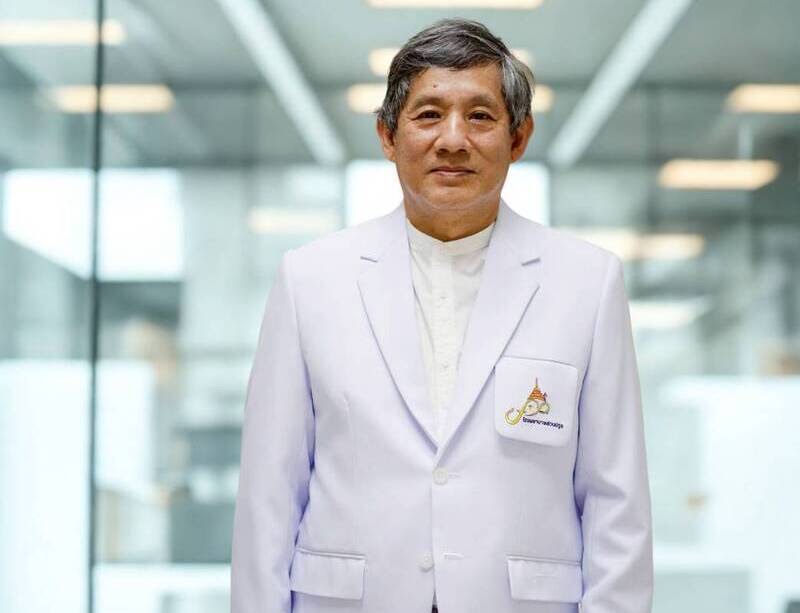
Dr Paritat Silpakit
Medical Director
A senior Thai psychiatrist with decades of experience in substance use disorders, trauma, mood and anxiety disorders, and clinical leadership, overseeing medical care and detox.
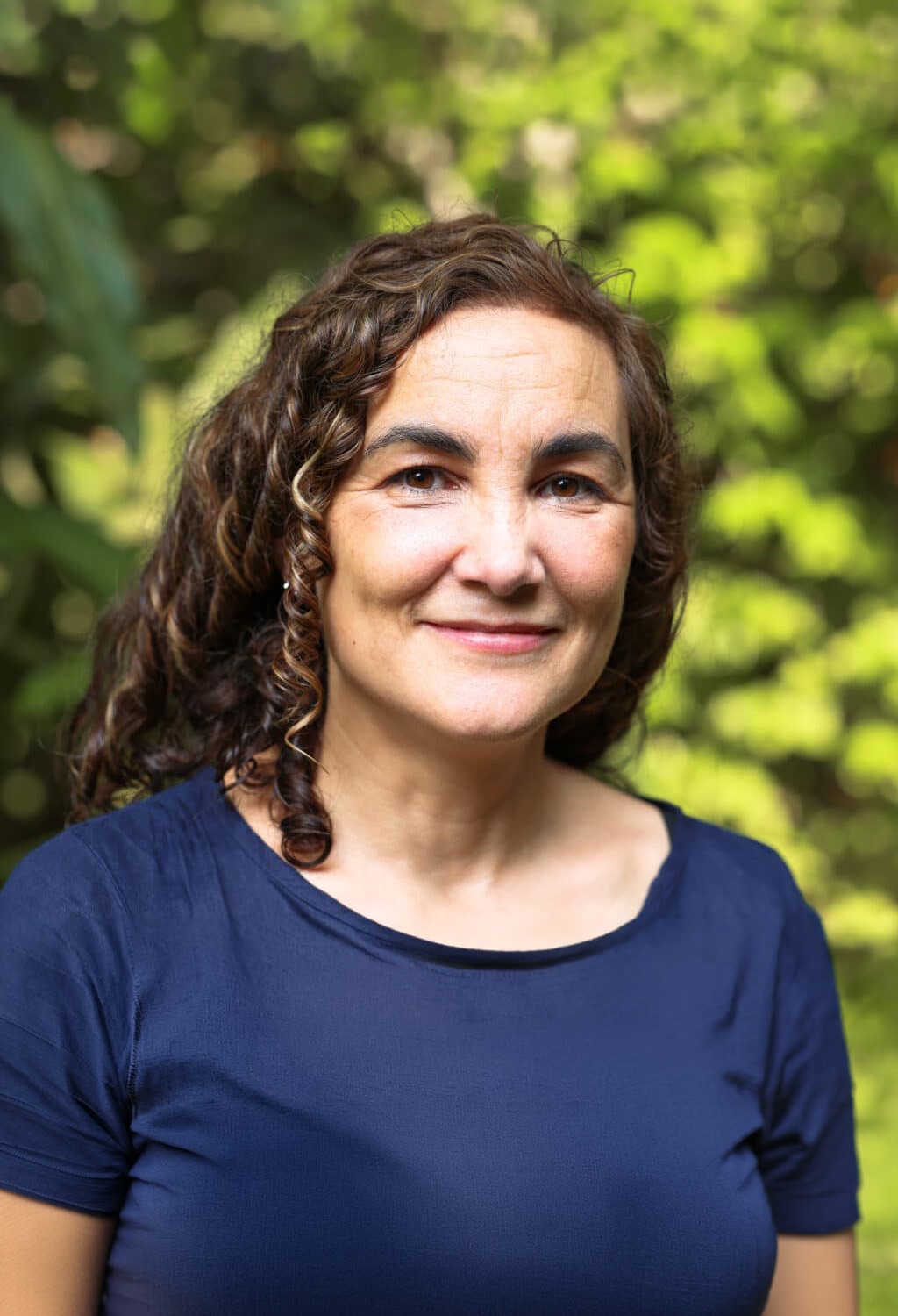
Dr Carin Killips
Counselling Psychologist, Programme Development and Quality
UK-trained with over 20 years of experience in mental health and addiction, including a decade in the NHS, with expertise in CBT, EMDR, Schema Therapy, and Compassion-Focused Therapy.
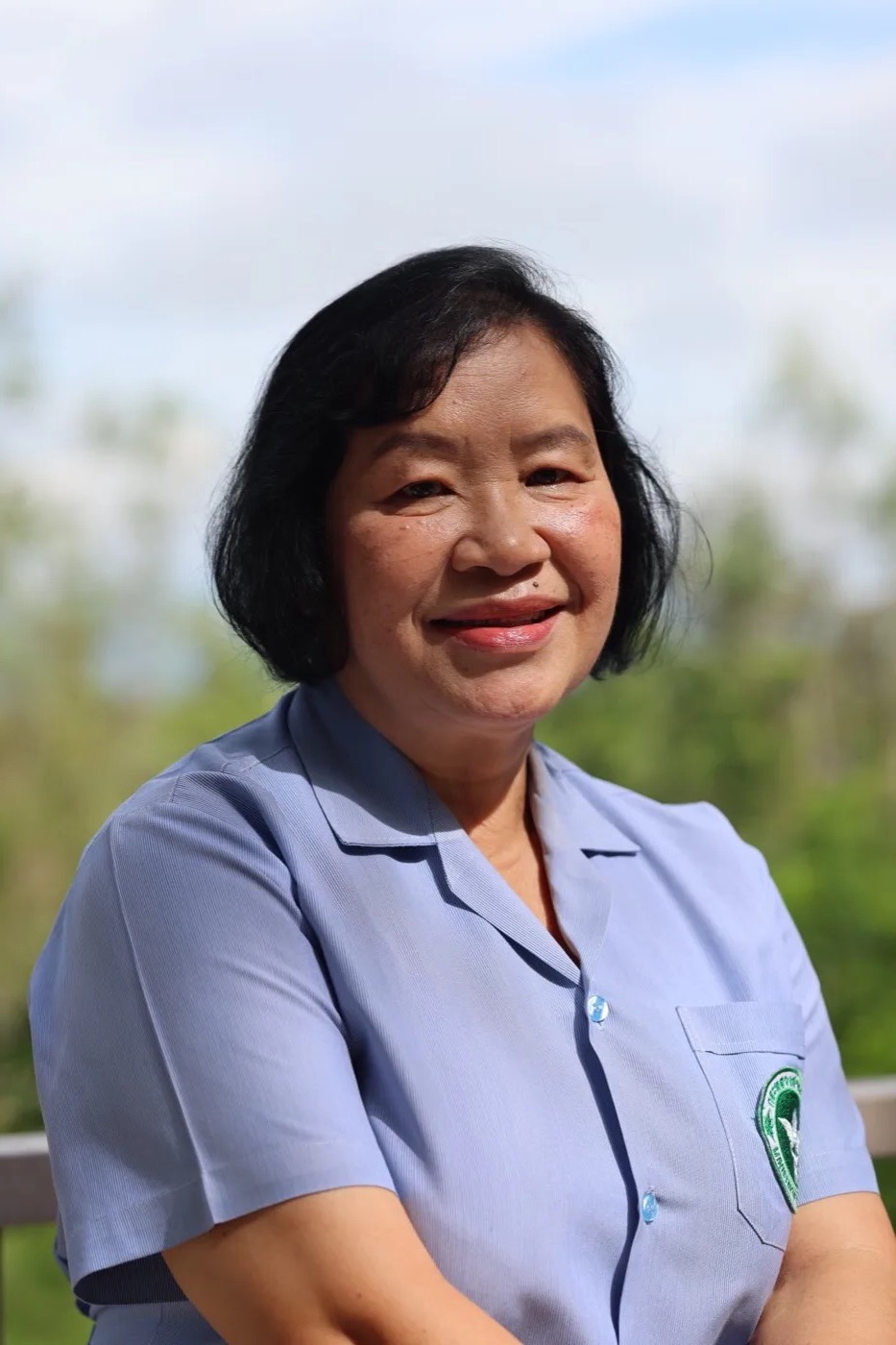
Nurse Orn
Head of Nursing
Leads our nursing team, which provides onsite medical care 24 hours a day throughout your stay.
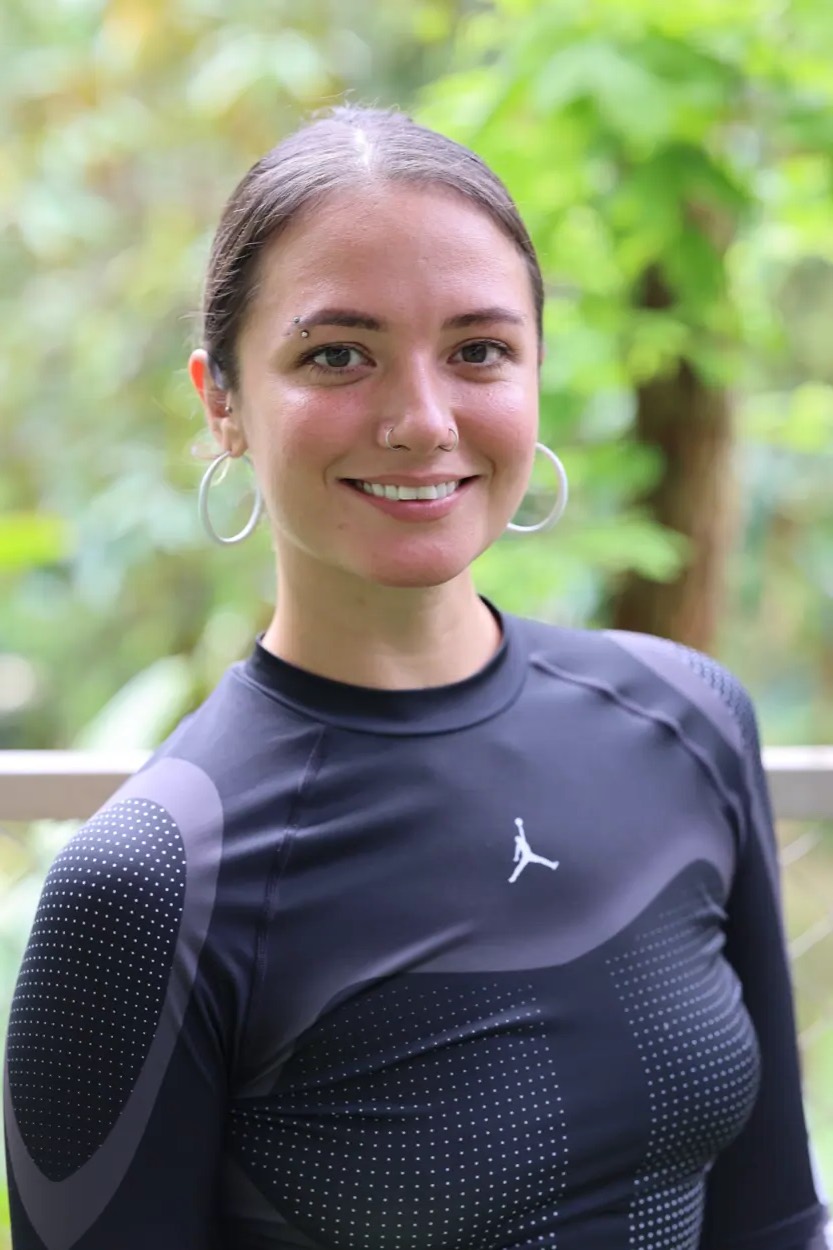
Beth
Holistic Practitioner
A holistic practitioner trained in yoga, therapeutic sound healing, and sound bowl massage, who draws on professional training and lived experience in recovery to support clients’ wellbeing.

Tum
Head of Support
Leads our support team with a kind and compassionate approach, known for his calm, caring manner and his genuine interest in every client’s wellbeing.



Reaching out is often the hardest step, and we make what follows as clear and supportive as possible.
Whether you are seeking help for yourself, for a loved one, or referring a patient, our admissions team will talk you through your options with no pressure and complete confidentiality.
Begin Your Recovery Today
Treatment For A Client
We accept referrals from GP’s, psychiatrists, psychologists, counsellors, case managers, and other health professionals. To refer your clients or patients, please get in touch by sending us an email, giving us a call or filling out our online contact form.
Treatment For Yourself
When you come to The Beekeeper House, you are not just getting treatment for your addiction or mental health issue – you are also embarking on a journey of self-discovery and personal growth.
Treatment For A Loved One
The Beekeeper House directs its efforts towards the treatment of comprehensive care and the co-existence of addiction and mental health issues. They will provide your loved ones opportunities to heal and grow.