VRET sits alongside our other psychotherapy approaches as one option among several, offered where it is clinically appropriate for your treatment plan. Speak to our admissions team to learn about our admissions process and how treatment could work for you or someone you love.
The Beekeeper House is a leading, award-winning residential mental health and addiction treatment centre in Thailand, welcoming clients worldwide. VR exposure therapy (VRET) is an immersive, technology-assisted approach offered as part of our wider psychotherapy programme, used to help clients confront and manage fears, anxiety, PTSD, and phobias within a controlled, clinically supported setting.
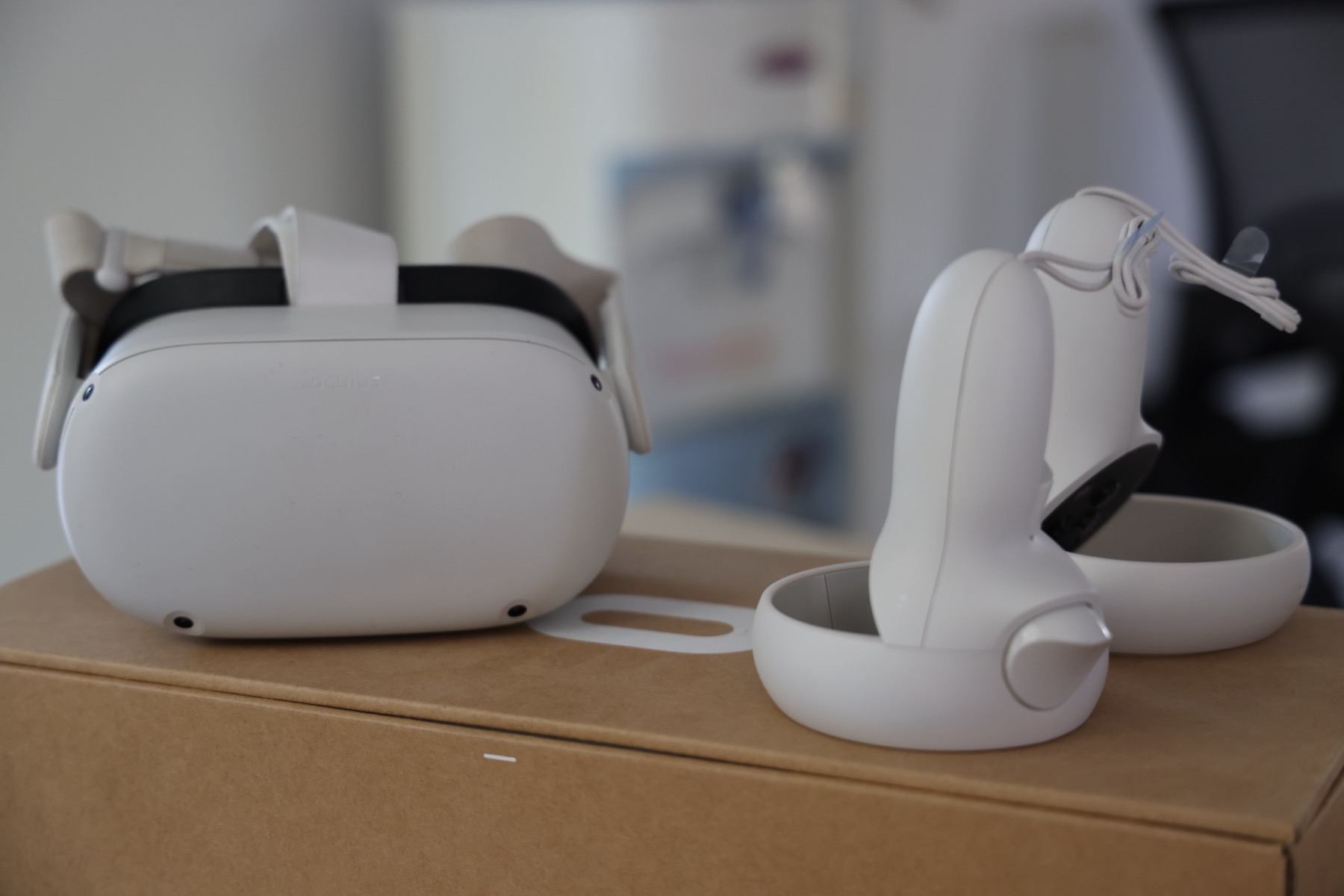
VR exposure therapy uses a VR headset to immerse clients in a carefully designed virtual environment, built around the specific fear, trauma, or anxiety trigger being addressed. Sessions are guided throughout by a trained clinician, who customises the scenario to the individual and sets the pace of exposure to match the client’s comfort level, rather than following a fixed script.
The underlying approach, graded exposure to a feared stimulus in a safe, controlled setting, is an established principle in anxiety and trauma treatment. VRET applies this principle using virtual environments in place of real-world exposure or imagined scenarios, which can make early exposure work more manageable for some clients before progressing to real-world situations.
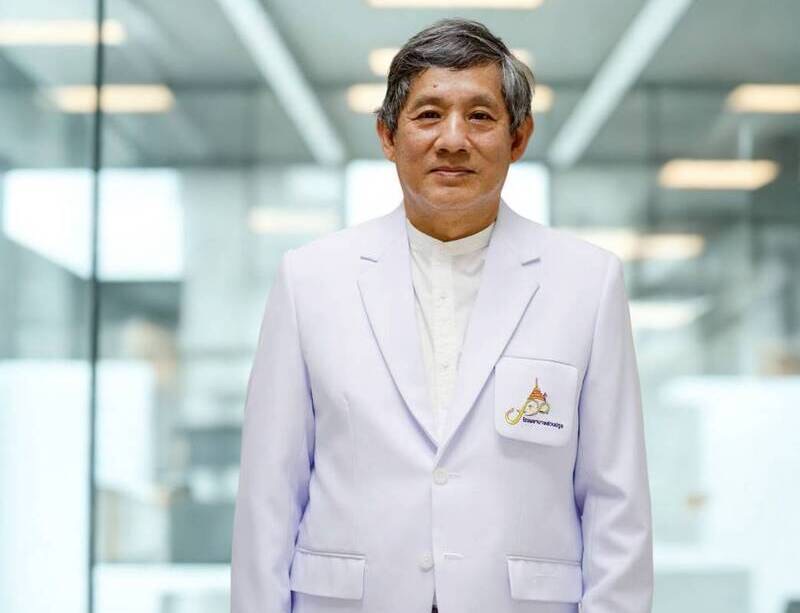
Medically reviewed by Dr Paritat Silpakit, Medical Director, The Beekeeper House. Last reviewed .
In session
How VR Exposure Therapy Works
No prior experience with VR technology is required. Your clinician explains and demonstrates the equipment before your first session, and sessions are fully supervised throughout. You can pause, take a break, or ask for a scenario to be adjusted at any point, and exposure is increased gradually, at a pace agreed with your clinician rather than fixed in advance.
Alongside exposure itself, sessions build practical coping strategies you can use in the moment and carry forward into daily life, with the aim of reducing avoidance behaviour and supporting longer-term emotional regulation and resilience.
What it supports
What VR Exposure Therapy Can Support
VRET is used within a wider treatment plan to support a number of conditions, depending on clinical appropriateness:
Gradual, controlled exposure to anxiety triggers in a virtual setting, supporting stress reduction and emotional regulation over repeated sessions.
PTSD and trauma
A structured, supported setting in which to process past trauma and work toward reframing distressing experiences, led by your clinician throughout.
Specific phobias
Gradual exposure techniques aimed at reducing a specific fear response, such as a phobia of heights, flying, or enclosed spaces, within a safe virtual environment.
Social anxiety
The opportunity to practise social interactions in realistic virtual settings, building confidence and communication skills before applying them in real-world situations.
Your safety
Is VR Exposure Therapy Safe?
VRET is a safe, carefully guided therapy. Sessions are customised by your clinician to match your comfort level, with gradual exposure and support throughout, and the experience is designed to be non-invasive.
You are able to pause, take a break, or adjust the scenario at any point during a session.
In your programme
How VR Exposure Therapy Fits into Your Treatment
VRET is offered as one option within your wider residential programme, alongside individual and group psychotherapy, holistic sessions, and medical care where needed. Whether VRET forms part of your plan is agreed with your clinical team following assessment.
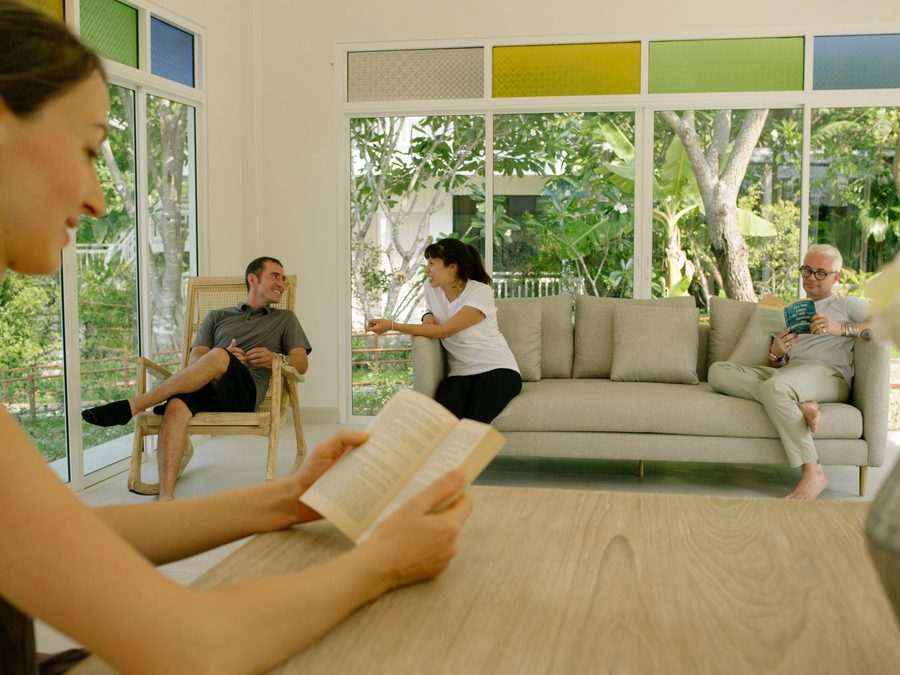
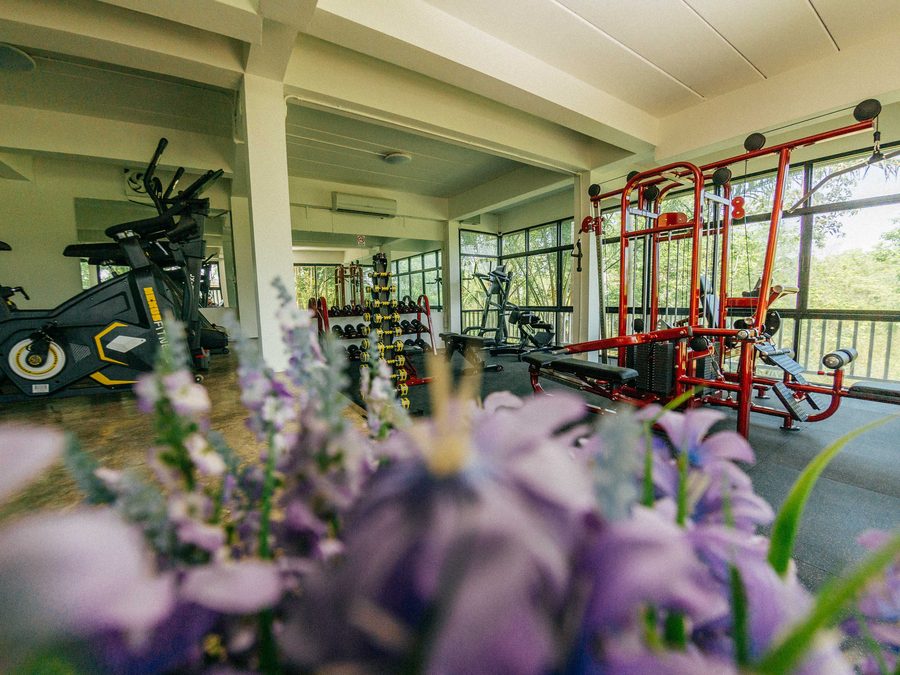
All of this is done in the comfort of our luxury resort-style facility, so you can enjoy your recreation time as well. This includes the gym, pool, botanical gardens, community garden, recreation centre and yoga and meditation centre.
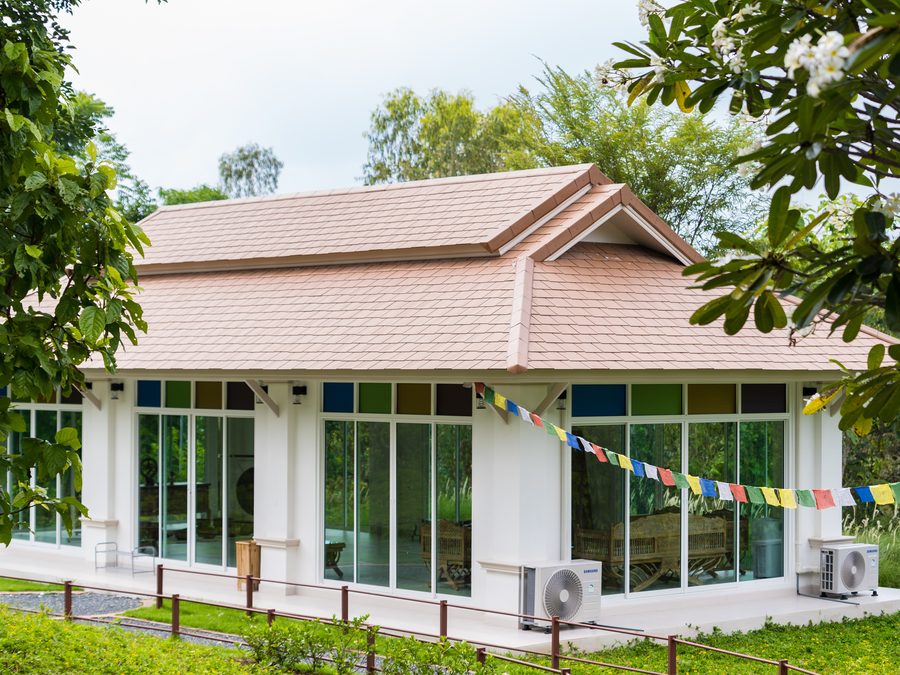
The yoga and meditation sala
The recreation centre
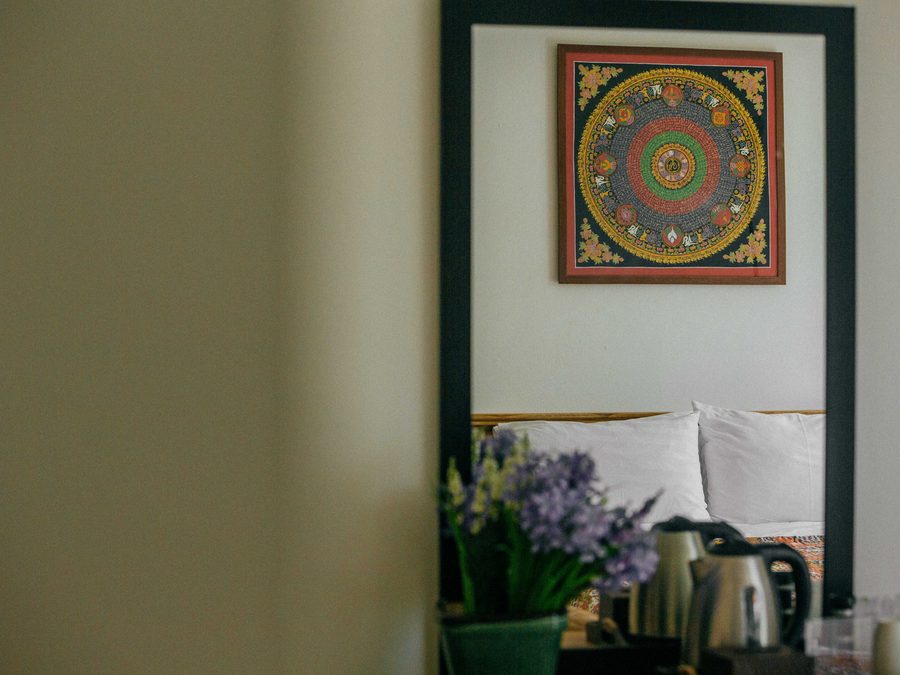
Private bedrooms
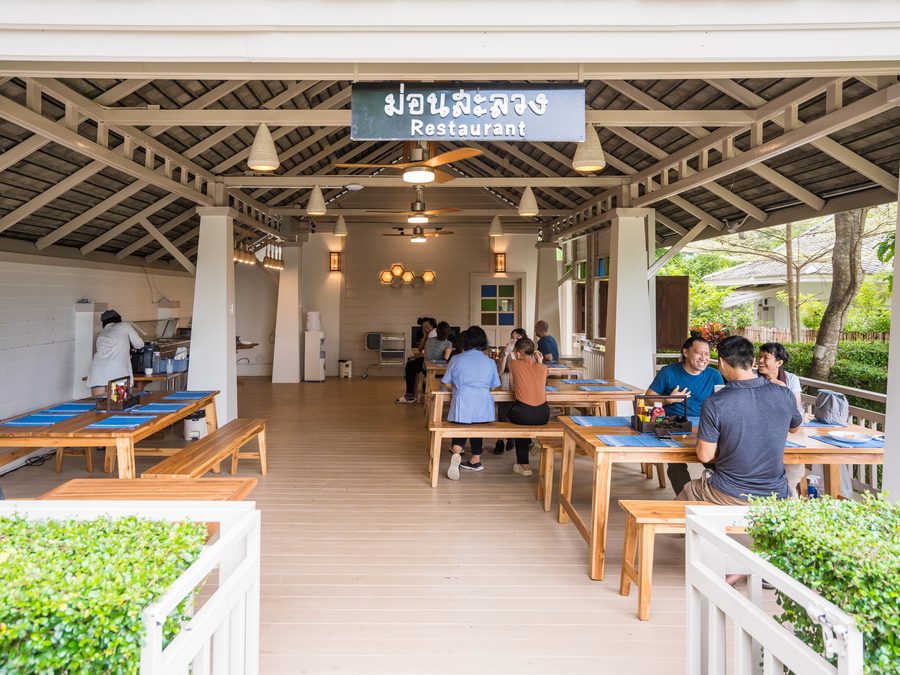
Meals by our award-winning chef
The gym
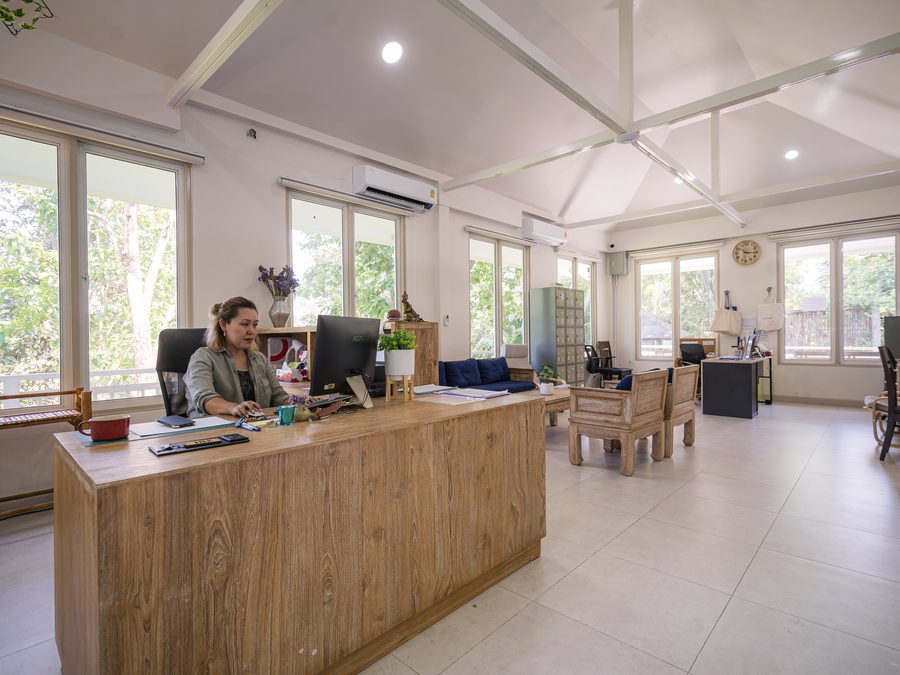
Reception, on arrival
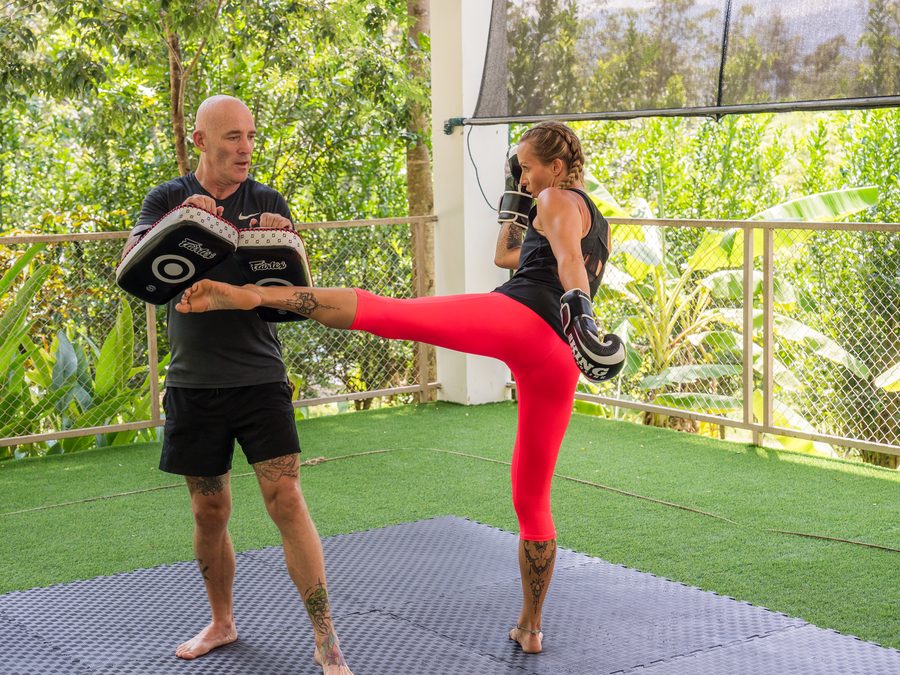
Muay Thai training
01 / 07
Why us
Why Choose The Beekeeper House
The Beekeeper House is a medically licensed, AACI Gold accredited residential centre in Chiang Mai, part of the award-winning Beekeeper Group. We bring together clinical care, a calm and private setting, and a team that supports you at every stage of your recovery.
Accredited and Medically Licensed
We are licensed by the Thai Ministry of Public Health and accredited to AACI Gold standard, an international mark of quality and safety in healthcare. Recent recognition includes the Healthcare Asia Awards 2025 and the GHP Mental Health Awards 2026.
An Internationally Trained, English-Speaking Team
Our clinical team is internationally trained, with psychologists from the United States, Australia and New Zealand, and the United Kingdom, and all treatment is delivered in English. For clients travelling from abroad, this means care that feels familiar, delivered by professionals who understand your background and expectations.
Most of the people we treat travel to us from overseas, and we have built dedicated support around that journey. Choosing to travel for treatment puts helpful distance between you and the environment linked to your symptoms, and it gives you access to accredited, international-standard care.
Our admissions team guides you through every step, from the initial consultation and clinical assessment, which take place by phone or video before you travel, through to travel, arrival, and settling in. Australian clients may also be able to access their superannuation early to fund treatment on medical grounds. To learn more about treatment from your part of the world, see the pages below for clients from the United Kingdom, Australia, and the United States.
You will be cared for by an experienced, multidisciplinary team that blends local and international expertise. A few of the people behind your care:
Dr Robert Common
Chief Executive Officer
A Doctor of Psychology with over 20 years of experience leading mental health and wellness organisations across the region, and an award-winning voice in behavioural health.
Dr Paritat Silpakit
Medical Director
A senior Thai psychiatrist with decades of experience in substance use disorders, trauma, mood and anxiety disorders, and clinical leadership, overseeing medical care and detox.
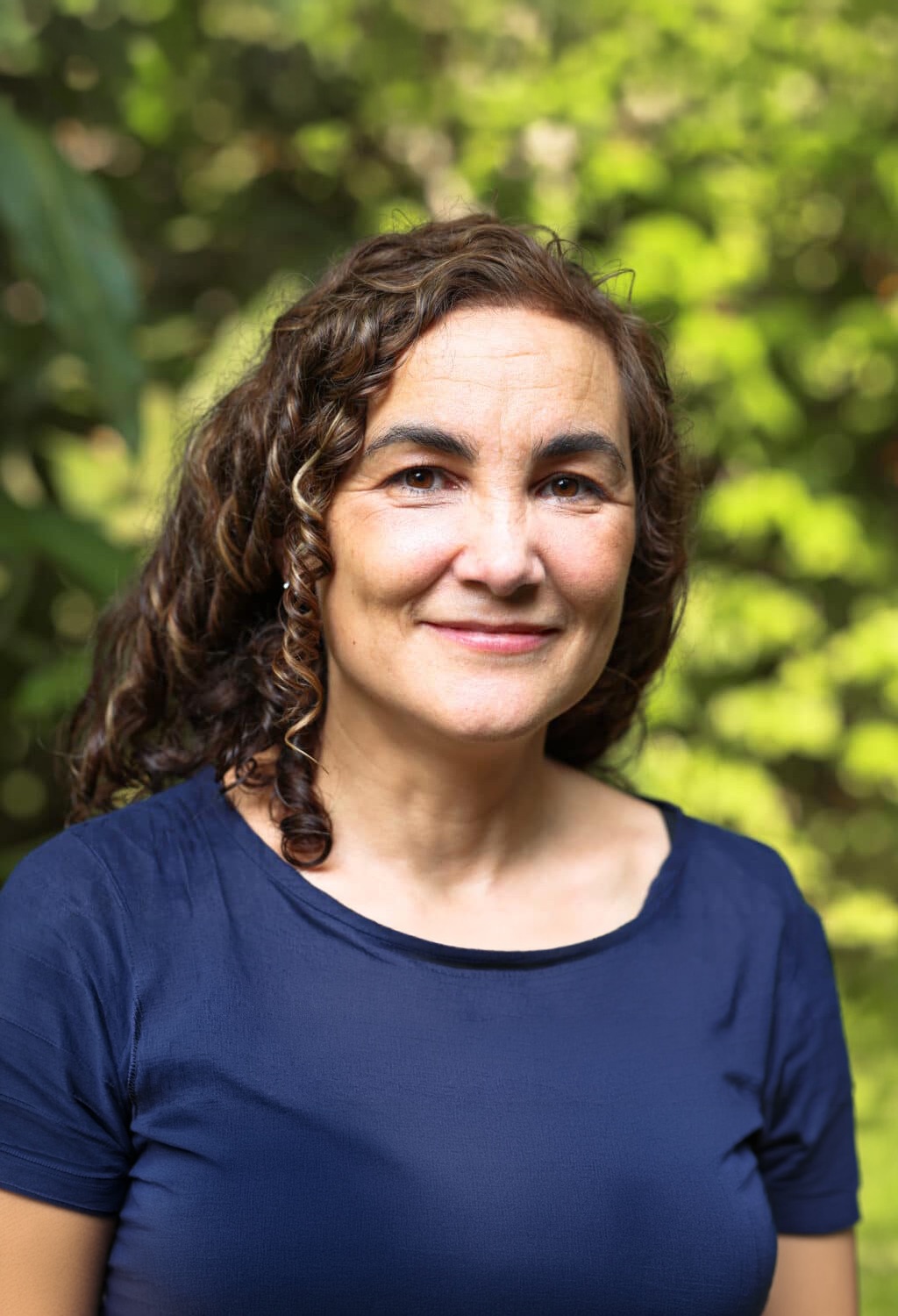
Dr Carin Killips
Counselling Psychologist, Programme Development and Quality
UK-trained with over 20 years of experience in mental health and addiction, including a decade in the NHS, with expertise in CBT, EMDR, Schema Therapy, and Compassion-Focused Therapy.
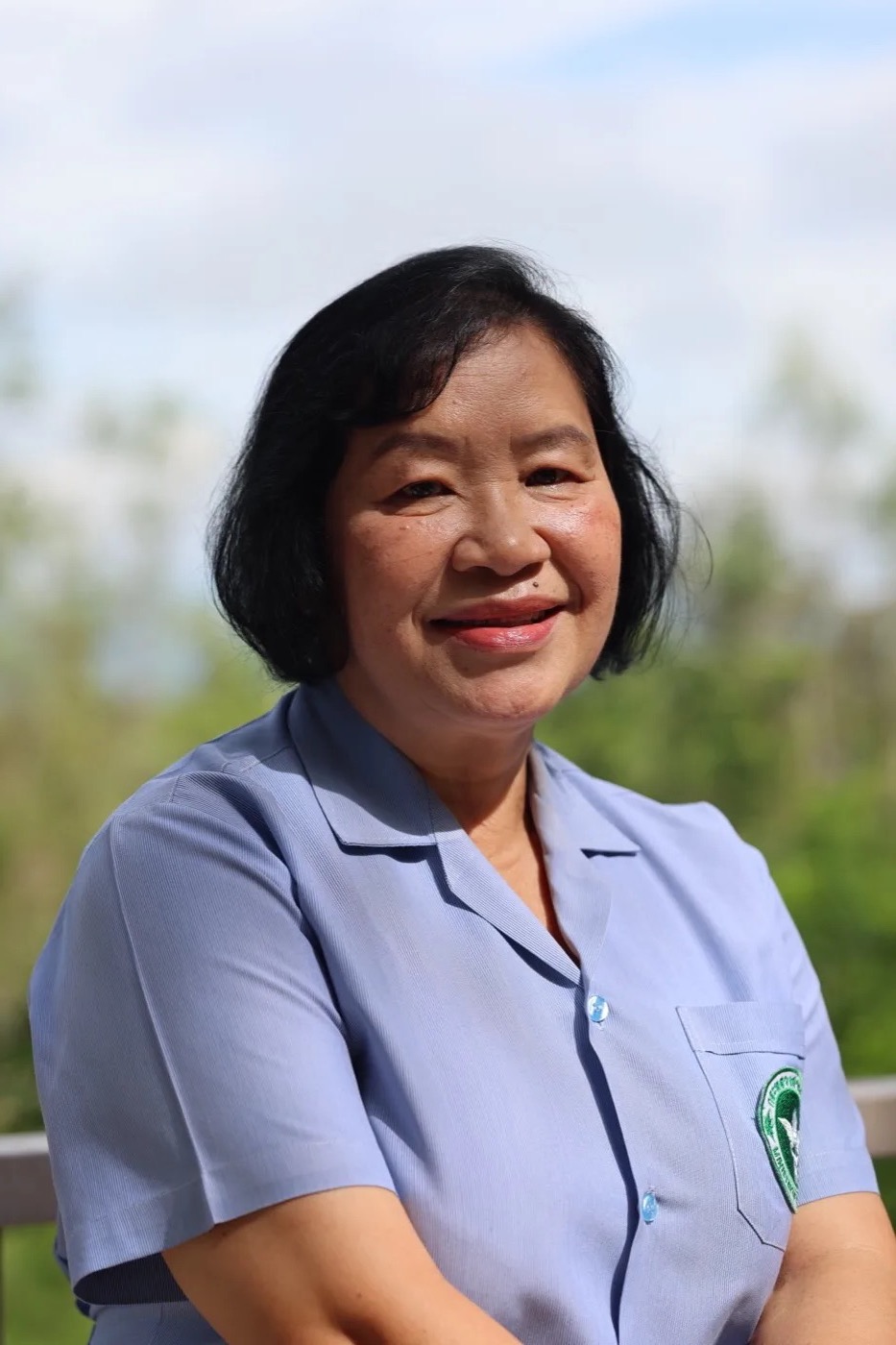
Nurse Orn
Head of Nursing
Leads our nursing team, which provides onsite medical care 24 hours a day throughout your stay.
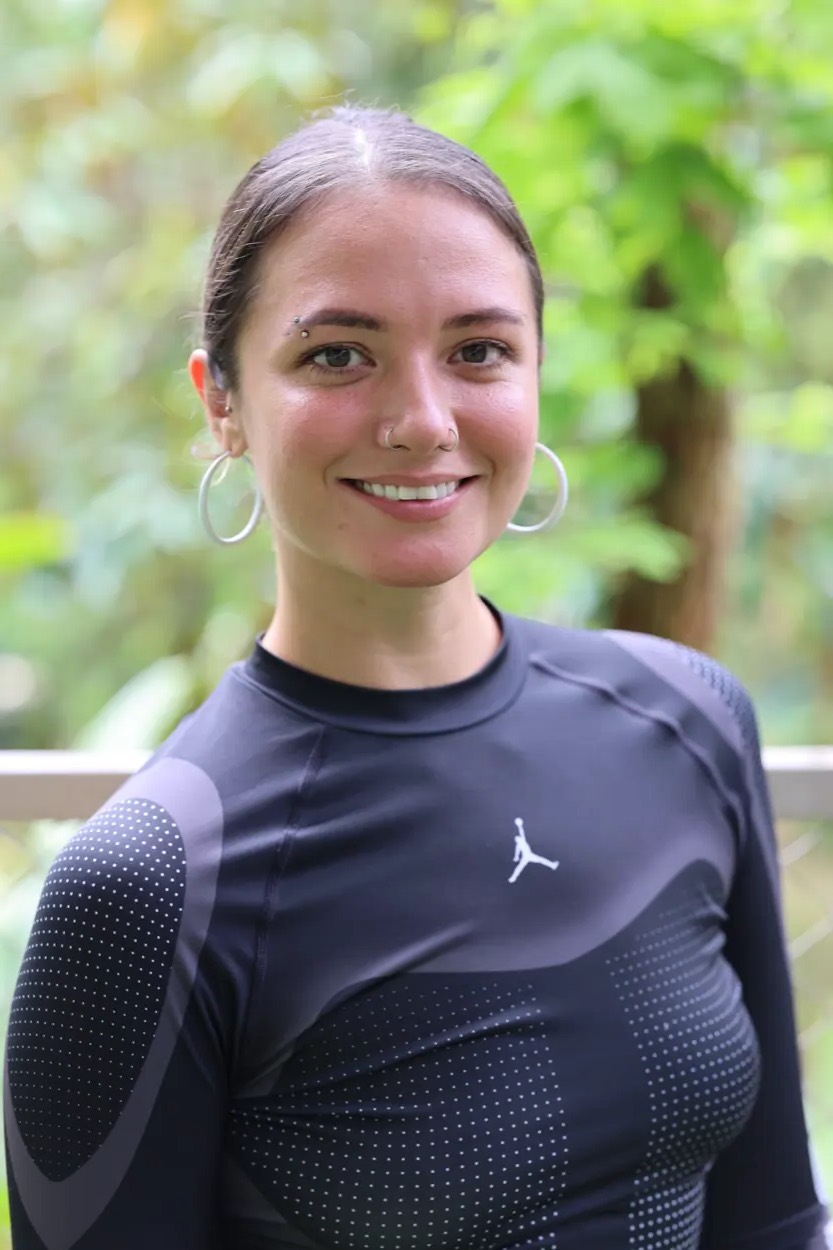
Beth
Holistic Practitioner
A holistic practitioner trained in yoga, therapeutic sound healing, and sound bowl massage, who draws on professional training and lived experience in recovery to support clients’ wellbeing.
Tum
Head of Support
Leads our support team with a kind and compassionate approach, known for his calm, caring manner and his genuine interest in every client’s wellbeing.
VR exposure therapy is a therapeutic approach that uses immersive virtual environments to help clients confront and manage fears, anxiety, PTSD, and phobias in a controlled and supportive setting. By simulating real-life situations, VRET allows clients to practise coping strategies and gradually reduce distress in a safe, clinician-guided way.
How can VR exposure therapy help with mental health recovery?
VRET applies the established principle of graded exposure, using virtual environments to help clients manage anxiety, process trauma, and work through phobias by gradually encountering difficult situations in a controlled virtual space, supported by a trained clinician throughout.
Is VR exposure therapy safe?
Yes. VRET is a safe, carefully guided therapy. Our clinicians customise each session to match your comfort level, with gradual exposure and support throughout, and the experience is designed to be non-invasive. You are able to take breaks or adjust the scenario as needed.
Do I need prior experience with VR technology?
No prior experience with VR is necessary. Our team provides full guidance on how to use the equipment, the technology is straightforward to use, and sessions are fully supervised throughout.
How much does treatment cost?
Treatment is tailored to each person, so the cost depends on your length of stay and the level of care required. We do not publish prices online, but our admissions team will provide a clear, all-inclusive quote during a free, confidential consultation.
How do I start?
The first step is a free, confidential conversation with our admissions team. They will carry out an initial assessment, answer your questions, and help you decide whether The Beekeeper House is right for you or your loved one.
We treat all our clients as a whole — inclusive of mind, body and spirit.
Please feel free to contact us if you require any further information about our service.
Reaching out is often the hardest step, and we make what follows as clear and supportive as possible. Whether you are seeking help for yourself, for a loved one, or referring a patient, our admissions team will talk you through your options with no pressure and complete confidentiality.
Treatment For A Client
We accept referrals from GP’s, psychiatrists, psychologists, counsellors, case managers, and other health professionals. To refer your clients or patients, please get in touch by sending us an email, giving us a call or filling out our online contact form.
Treatment For Yourself
When you come to The Beekeeper House, you are not just getting treatment for your addiction or mental health issue – you are also embarking on a journey of self-discovery and personal growth.
Treatment For A Loved One
The Beekeeper House directs its efforts towards the treatment of comprehensive care and the co-existence of addiction and mental health issues. They will provide your loved ones opportunities to heal and grow.